
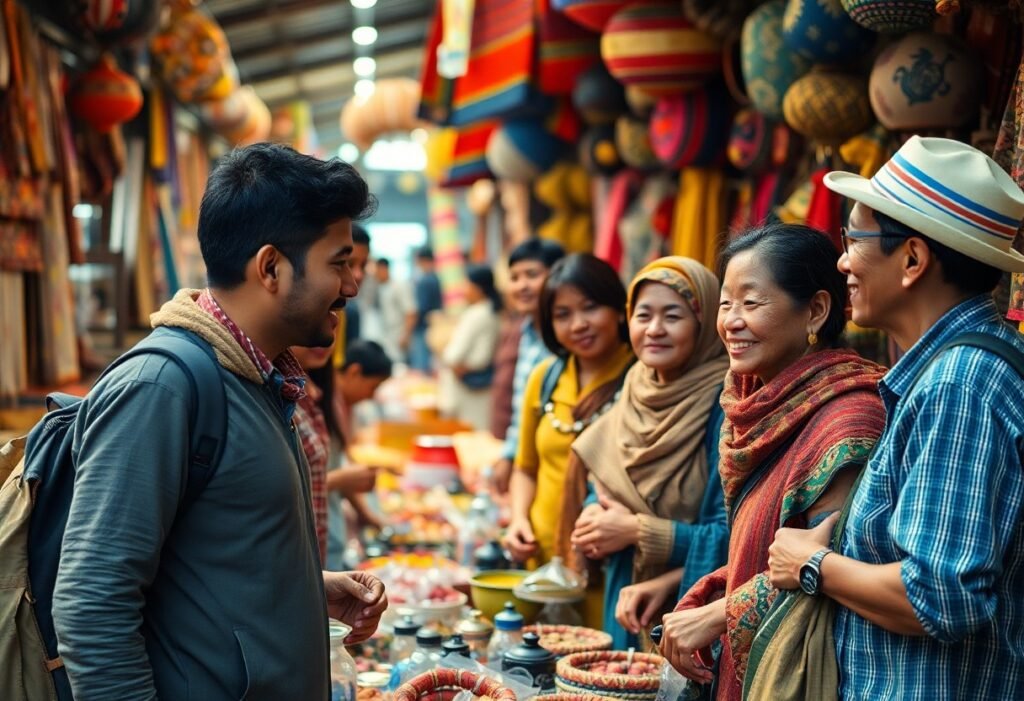
You have the opportunity to dive deeper into cultural tourism, where exploring communities goes beyond mere sightseeing. Engaging with local traditions, cuisines, and lifestyles can enrich your travel experience, providing a deeper understanding of the people behind the places. However, it’s necessary to approach these interactions with respect, as missteps can harm local cultures. By actively participating in community events or supporting local artisans, you can make a positive impact while gaining insights that traditional tourism often overlooks.
Key Takeaways:
- Cultural tourism emphasizes authentic experiences that foster meaningful connections with local communities.
- Engagement with local traditions, customs, and lifestyles enhances visitors’ understanding of cultural heritage.
- Responsible cultural tourism promotes sustainable practices that benefit both travelers and host communities.
The Cultural Tapestry of Destinations
Each destination possesses a rich tapestry woven from local customs, languages, and traditions that define its identity. Cultural tourism allows you to uncover these intricate patterns, revealing the stories and histories that shape communities. Engaging with local artisans, participating in traditional festivals, and savoring regional cuisines offer immersive experiences that go far beyond mere sightseeing, allowing you to connect with the essence of a place.
Intertwining Local Traditions and Global Tourism
Your engagement with a destination’s local traditions can sometimes seem at odds with the influx of global tourism. However, when you embrace cultural practices, it creates a harmonious blend. Artisans adapt their crafts for a global audience while maintaining authentic techniques, enriching the tourist experience. This synergy fosters a deeper understanding and appreciation of local cultures, making your travel far more rewarding.
The Role of Heritage in Tourist Experience
Heritage shapes your journey by offering unique insights into the past of a community. Historic sites, preserved architecture, and time-honored rituals infuse your visits with depth, allowing you to contextualize contemporary life. By participating in guided tours led by local historians or engaging in workshops with traditional craftspeople, you engage directly with the heritage that influences the current cultural landscape, enhancing your overall experience.
Exploring heritage sites provides you with a tangible connection to history, offering a lens through which to interpret present-day cultures. For instance, visiting a UNESCO World Heritage Site like the ancient city of Pompeii immerses you in a civilization lost to time, while learning from local practices fosters appreciation for ongoing traditions. When transformed from mere visitors into active participants, your understanding of a destination deepens, creating lasting memories that influence your perspective long after you leave.
Authentic Interactions: Bridging the Gap
Engaging with local communities transforms your travel experience, fostering authentic connections that transcend mere sightseeing. By stepping beyond tourist attractions, you discover the heart of a destination, allowing for profound exchanges that enrich your journey. This exploration not only enhances your understanding but also empowers local economies and preserves cultural narratives.
The Power of Community Engagement
Community engagement fosters mutual respect and understanding between visitors and locals. Participating in local events or volunteer projects allows you to immerse yourself in daily life and interact with residents on a personal level. This creates a genuine atmosphere where shared stories and experiences spark deeper connections and insights into the local culture.
Immersive Experiences: Learning from Locals
Immersive experiences present a unique opportunity to learn directly from locals, gaining insights that guidebooks cannot offer. You may find yourself crafting traditional pottery under the watchful eye of a skilled artisan or cooking a family recipe in a local kitchen. These experiences reveal not just skills but also the values and histories that shape a community.
Through immersive experiences, you engage in hands-on activities that illuminate local traditions. For instance, participating in a traditional dance workshop in Bali lets you understand the cultural significance of movement, while weaving with artisans in Guatemala highlights the stories behind their vibrant textiles. Each interaction with locals enriches your perspective and offers a window into their daily lives, fostering appreciation for their heritage. This depth of learning transforms the way you see a destination and its people, often leading to lifelong memories and connections.
Economic Impacts: Beyond Souvenirs
Cultural tourism generates significant economic benefits that extend well beyond the purchase of souvenirs. Local businesses thrive as visitors seek authentic experiences, creating a demand for handmade crafts, traditional food, and unique accommodations. This influx of resources fuels community development and enhances overall quality of life, allowing for improved infrastructure and public services. In cities where cultural tourism flourishes, economic diversification occurs, leading to a more resilient local economy.
Sustainable Income Streams for Local Residents
Engaging in cultural tourism fosters sustainable income streams for local residents by creating job opportunities that leverage traditional skills. Artisans, musicians, and performers can monetize their crafts through workshops, performances, and guided experiences. These initiatives not only preserve cultural heritage but also enhance household incomes, providing stability against economic fluctuations that threaten many communities.
The Ripple Effect of Cultural Investments
Investments in cultural tourism initiate a ripple effect that impacts various sectors of the economy. As cultural initiatives flourish, they attract both visitors and business ventures, resulting in increased spending in hospitality, retail, and local services. For example, when a cultural festival is organized, attendees not only purchase tickets but also dine at local restaurants and stay in nearby hotels, amplifying economic growth. This interconnectedness highlights how cultural investments can drive multifaceted development, benefiting residents across different strata.
Commencing with a cultural initiative, such as a heritage festival, can set in motion a chain of positive outcomes. For instance, the city of Florence sees an annual influx of tourists for its historic events, boosting local artisans’ sales and leading to the creation of seasonal jobs. Increased visibility of local customs encourages investments in infrastructure and community projects, further enriching the local economy. Ultimately, each cultural investment strengthens community ties while bolstering financial stability, exemplifying how intertwining culture and economy leads to genuine progress.
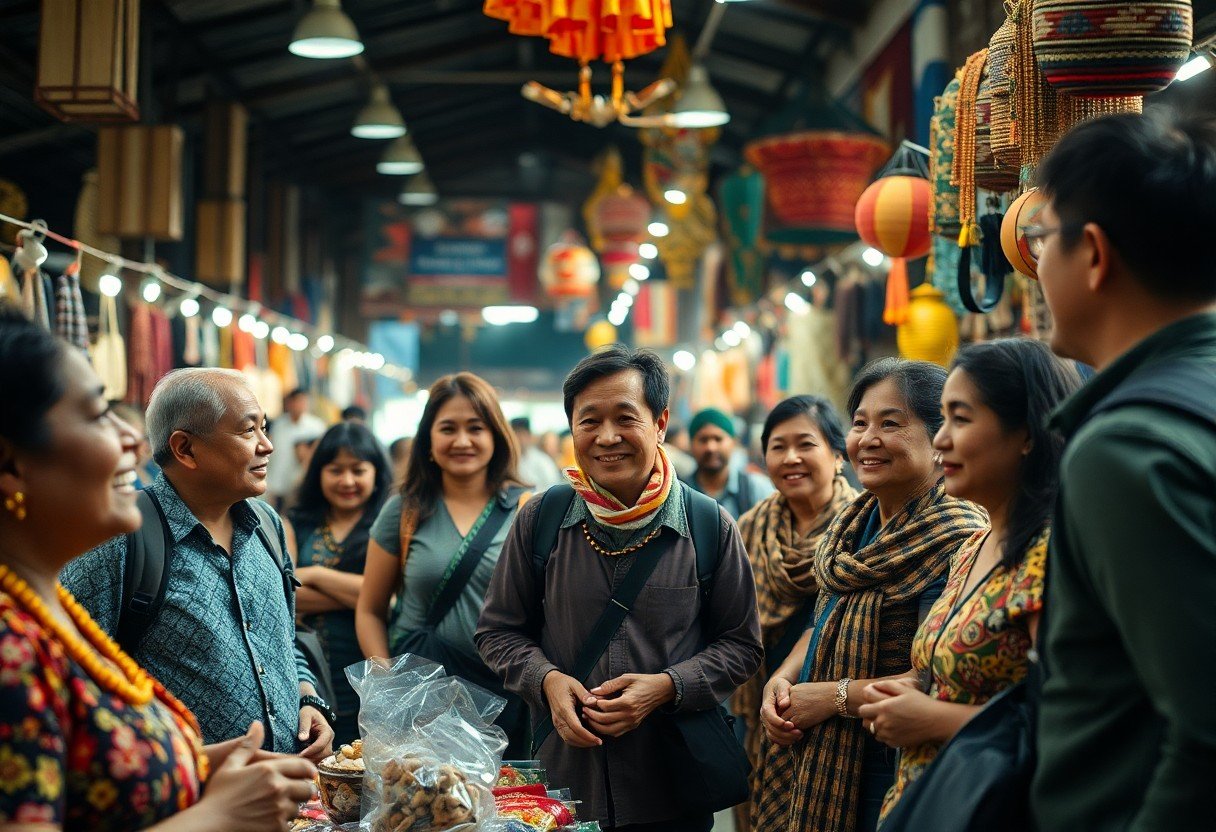
Navigating Ethical Considerations in Cultural Tourism
Understanding the ethical implications of cultural tourism ensures that your travels enrich both your experience and the communities you visit. Engaging meaningfully with local cultures requires awareness of how your presence impacts their traditions, economies, and social dynamics. Ethical tourism emphasizes sustainable practices that promote respect and preservation instead of exploitation, enabling a more enriching experience for you and the local populace alike.
Balancing Visitor Interest with Community Preservation
To truly enjoy cultural tourism, you must balance your desire to experience local traditions with the need to protect them. Over-tourism often threatens the very essence of a community’s identity, leading to a dilution of customs. Engaging in responsible travel choices, such as supporting local businesses and partaking in authentic experiences that benefit the community, helps safeguard their heritage while still allowing you to explore.
The Dangers of Cultural Appropriation
Cultural appropriation poses significant risks in tourism, often reducing complex cultural expressions to mere costumes or merchandise for profit. You may unintentionally contribute to this harmful practice by adopting elements of a culture without understanding their significance or context. This can perpetuate stereotypes and undermine the traditions of marginalized communities, emphasizing the need for awareness and respect.
The repercussions of cultural appropriation can be profound, as it commodifies cultural symbols and rituals that hold deep meaning for their originating communities. For instance, using sacred garments as fashion without comprehension can offend those who revere them. In 2018, the backlash against a major clothing brand for releasing a collection inspired by indigenous designs exemplifies how travelers and brands often overlook the hurt caused by appropriating culture. Engaging with cultures responsibly means recognizing these intricacies and valuing the stories behind practices, promoting understanding rather than exploitation. Prioritizing dialogue with community members and learning about their heritage before embracing aspects of their culture significantly averts the pitfalls of appropriation.
Transformative Benefits: A Two-Way Street
Tourism not only enriches travelers but also positively transforms host communities. As you immerse yourself in local cultures, your presence stimulates economic growth and cultural exchange, making it a mutually beneficial relationship. Tourists gain a deeper understanding of diverse worldviews, while communities receive opportunities for their heritage and stories to be shared globally. This synergy fosters respect and appreciation, ultimately cultivating a more unified global community.
Enriching Tourist Perspectives and Global Understanding
Engaging with local cultures broadens your worldview, enabling you to appreciate the intricacies of human experience. Encountering unique traditions, languages, and histories allows for personal reflections that transcend the superficiality often present in conventional tourism. By immersing yourself in these vibrant cultures, you foster empathy and develop a more nuanced understanding of global issues, ultimately paving the way for a more interconnected world.
Empowering Local Voices in the Cultural Narrative
Amplifying local voices is crucial in crafting authentic cultural narratives. By participating in community-led initiatives, you contribute to preserving traditions and empowering residents to share their stories. This approach not only validates their experiences but also enriches the cultural fabric of your travels. Integrating local perspectives into tourism helps ensure that developed narratives reflect genuine experiences, fostering a reciprocal relationship between visitors and communities.
Community-led tourism initiatives often highlight the voices that might otherwise be marginalized in mainstream narratives. For instance, Indigenous tour guides can provide insights into their heritage, allowing you to see the destination through their eyes. Programs like “Tourism with Dignity” prioritize local leadership and storytelling, ensuring that cultural exchanges honor, rather than appropriate, local traditions. Participating in such initiatives, you help create space for communities to shape and share their own stories, ensuring those narratives are authentic, respected, and enriching for all involved.
Summing up
Drawing together insights from cultural tourism, you gain a deeper appreciation for communities beyond mere sightseeing. By engaging with local traditions, practices, and narratives, your travel experiences become enriched, fostering meaningful connections with the people and places you visit. This approach not only enhances your understanding of diverse cultures but also encourages sustainable tourism practices that benefit local communities. Embracing cultural tourism allows you to explore the world through a more authentic lens, making your journeys more impactful and memorable.
