
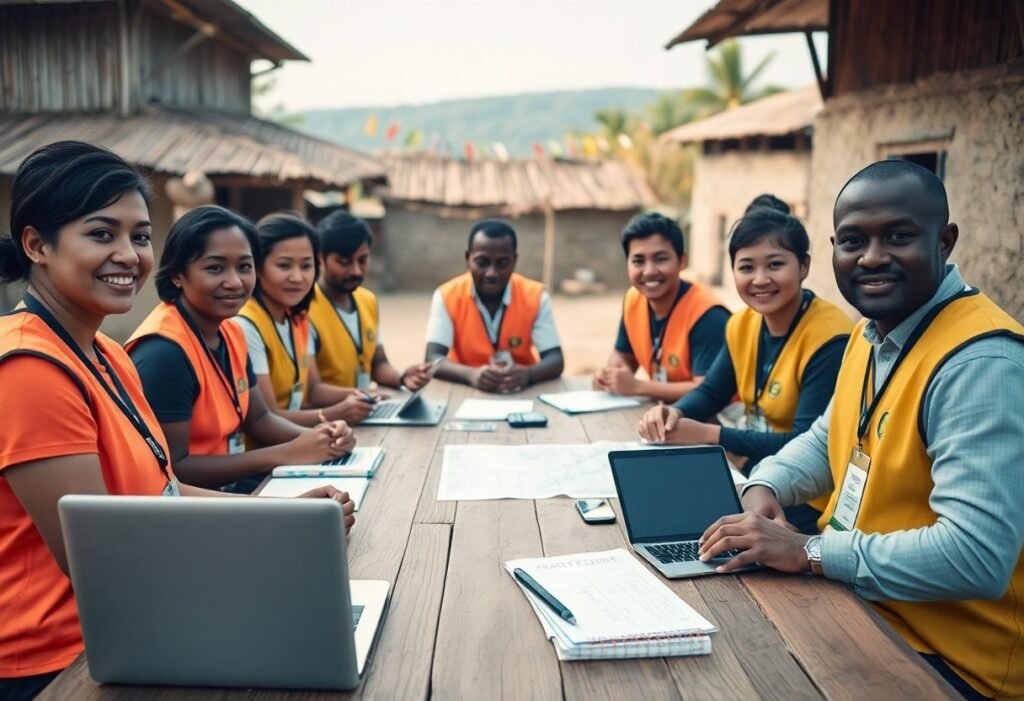
Volunteering abroad accelerates your career by giving you adaptability, cross-cultural communication and leadership experience you can directly apply and cite; by navigating health and safety risks and ethical pitfalls you develop resilience and judgment, while project management, networking and demonstrated initiative make your profile stand out to employers seeking proven, real-world skills.
Key Takeaways:
- Develop cross-cultural communication and adaptability: practice cultural intelligence, active listening, and flexibility when collaborating with diverse teams.
- Gain leadership and project-management experience: lead initiatives, coordinate resources, set goals, and manage volunteers under constraints.
- Expand your professional network and resume: demonstrate real-world problem-solving, measurable impact, language skills, and a global perspective employers value.
The Importance of Global Volunteering
Global volunteering thrusts you into real-world problems-running health clinics, rebuilding schools, or coordinating disaster logistics-where you practice leadership, project management, and cultural negotiation. Short placements (2-12 weeks) and longer fellowships (3-12 months) both produce measurable skills you can cite on your resume. Before you go, assess visas, insurance, and local security; health and safety risks vary by region and must be mitigated.
Understanding the Global Volunteer Experience
Daily tasks differ: you may teach two 45‑minute classes, run a sanitation workshop for 50 residents, or coordinate supplies for a clinic serving thousands annually. Programs frequently pair you with a local NGO-verify its history, budgets, and community consent to avoid ethical pitfalls like dependency or misaligned priorities. Language basics and adaptive problem‑solving accelerate impact.
The Impact on Personal and Professional Development
You build tangible outcomes: leading multicultural teams, managing community project budgets of $1,000-$10,000, and meeting 3-6 month deliverables that demonstrate initiative. Employers often equate this with leadership potential; document metrics, deliverables, and references so your volunteer work converts into job offers or promotions.
For example, an engineer who led a 6‑month water project serving 2,000 people translated field skills into a program manager role within a year; you can replicate this by keeping a project log, gathering impact data (users served, cost per beneficiary), and securing local testimonials. Guard against burnout and short-term “voluntourism” that offers little long-term benefit-choose projects with measurable outcomes and local leadership involvement.
Skill Acquisition Through Volunteering
Communication and Interpersonal Skills
When you lead health workshops for 40 villagers, translate medical instructions into a local dialect, or mediate between donors and staff, you sharpen cross-cultural communication and active listening. Presenting to groups of 20-100, facilitating weekly debriefs, and producing plain-language summaries are concrete practices that directly improve client-facing, negotiation, and customer-support roles.
Leadership and Teamwork Abilities
Serving as a team coordinator on a reforestation project-leading a team of 15 volunteers to plant 2,000 trees in two weeks-teaches you project planning, delegation, and performance tracking. You set milestones, run daily stand-ups, and resolve resource conflicts, translating volunteer leadership into manager-ready skills.
Over longer deployments you formalize those skills: creating SOPs, using Gantt charts, and tracking KPIs like volunteer retention and task completion. You routinely manage teams of 5-30 and oversee budgets ranging from $1,000-$50,000, then run post-project evaluations. For example, by training 10 local instructors and adjusting schedules you can increase class attendance from 25 to 75 students, giving measurable evidence of leadership impact.
Cultural Competence and Adaptability
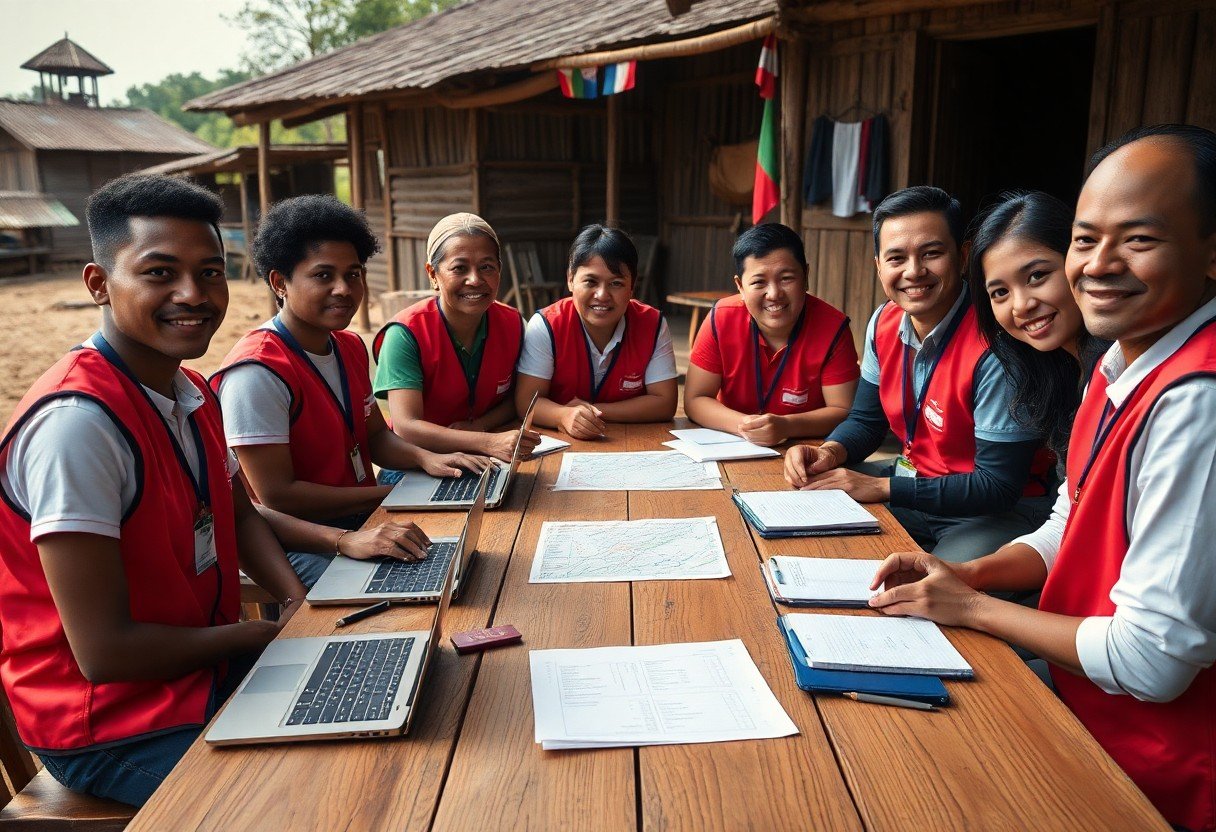
Practicing cultural intelligence on placement accelerates how quickly you read social cues and adjust plans; when you lead health workshops for 40 villagers, you learn to reword medical advice to match local metaphors and avoid misunderstandings. Applying those lessons in job interviews or team projects signals career advancement potential – see How Volunteering Can Help You Advance Your Career for examples and employer perspectives.
Navigating Diverse Environments
You develop practical tactics for mixed-language settings by pairing visual aids with short scripts and assigning bilingual volunteers, which reduces miscommunication during sessions with 20-50 participants. Adapting also means instituting safety checks-health screenings, local liaisons, and contingency plans-that protect you and the community while demonstrating leadership and risk-management skills employers value.
Enhancing Global Perspectives
You begin to reframe problems through local priorities after a few weeks on-site: shifting meeting times for agricultural rhythms or integrating traditional remedies into health messaging often boosts uptake and trust. Those changes show you can synthesize diverse viewpoints into effective solutions, a trait hiring managers link to higher-impact project outcomes.
Going deeper, you can quantify impact by tracking simple metrics-attendance, repeat participation, or adoption rates-then present those results in applications and interviews. For instance, documenting a 30-60% increase in workshop attendance after cultural adjustments or citing a three-week placement coordinating with six local leaders gives concrete evidence of your adaptability and cross-cultural decision-making.
Networking Opportunities
Networking during projects exposes you to professionals from NGOs, local government, and private partners; working alongside 10-50 teammates on a single project often yields immediate contacts. For example, volunteers with Habitat for Humanity or Médecins Sans Frontières regularly turn on-site collaboration into long-term professional ties. Prioritize targeted follow-up-brief messages and LinkedIn connection requests-to convert casual introductions into actionable career leads.
Building Professional Relationships
When you co-lead a community workshop or manage logistics with 15 local stakeholders, you demonstrate reliability and cross-cultural leadership that people recall. Exchange concise portfolios or outcome summaries, ask for permission to stay in touch, and schedule brief check-ins every quarter. Delivering measurable results-attendance numbers, cost savings, or training hours-makes it far easier for contacts to advocate for you.
Leveraging Connections for Career Advancement
You can turn volunteer contacts into hires by requesting introductions and informational interviews; one volunteer who ran a fundraising campaign for 9 months was later recruited by a partner NGO to lead donor relations. Quantify achievements-funds raised, beneficiaries served, process improvements-and attach supervisor endorsements to applications and LinkedIn to strengthen credibility.
Follow a tactical follow-up routine: send a concise summary within 48 hours, log contacts in a simple CRM, and ask for a specific next step (intro, reference, or review). Be wary of transactional expectations-avoid overreliance on unpaid labor and set boundaries if an opportunity feels exploitative. Since referrals often account for roughly one-third of hires in many surveys, a disciplined, ethical networking approach substantially raises your hiring prospects.
Enhancing Resumes and Job Applications
When hiring managers skim applications, clear, quantified volunteer entries make you stand out; list roles, scope, and outcomes-e.g., “coordinated a health camp serving 300 patients and managed a team of 12 volunteers.” Tailor each entry to the role you’re applying for and link broader guidance on career benefits: How Volunteering is Useful for Career Development.
Showcasing Volunteer Experience Effectively
You should convert duties into achievements by using action verbs and numbers; instead of “volunteered at clinic,” write “led intake process that reduced wait times by 40% and increased daily patient throughput to 120.” Emphasize impact, leadership, and measurable outcomes in one-line bullets so recruiters can assess relevance in seconds.
Demonstrating Transferable Skills
Translate tasks into skills employers want: managing logistics becomes project management, fundraising maps to budgeting and stakeholder engagement, and cross-cultural teaching shows communication and adaptability; cite specifics like “managed a $5,000 budget” or “led a team of 10 across three sites.”
When describing these skills in applications and interviews, use the STAR format: Situation, Task, Action, Result, and always attach a metric-percentages, dollars, people-to prove impact. Match language to the job posting, highlight relevant keywords, and prepare one concise volunteer story that demonstrates a problem you solved and the measurable outcome.
Personal Growth and Increased Confidence
Volunteering abroad thrusts you into roles where you must lead, negotiate, and deliver under constraints; after a 10-week community health program coordinating 12 local staff and 6 international volunteers to reach 300 patients, you gain visible self-assurance in public speaking and project ownership. Navigating supply gaps and cultural misunderstandings teaches resilience, and successful outcomes-like completing a clinic schedule-provide concrete evidence of your leadership growth.
Overcoming Challenges
When visa delays, budget shortfalls, or a 48-hour storm threaten operations, you learn to triage tasks and manage risk; rerouting a medical outreach preserved care for 120 patients and avoided service collapse. You adopt rapid-assessment routines, contingency budgets, and stakeholder communication protocols, and the capacity to make high-stakes decisions under pressure becomes a transferable career asset.
Gaining Self-awareness and Motivation
Through daily reflection, partner feedback, and outcome tracking-such as raising school attendance by 15%-you identify strengths (community engagement) and weaknesses (financial planning). Directly witnessing impact fuels intrinsic motivation, and seeing measurable community improvements often realigns your career priorities toward roles with social impact.
Apply structured practices: hold weekly debriefs across 10 weeks, collect 360° feedback from at least five stakeholders, and monitor simple KPIs (attendance, follow-ups). You set SMART goals (e.g., increase donor support by 20% in six months), journal weekly, and use peer mentoring to convert insights into action; this disciplined mix turns subjective learning into measurable professional development.
Final Words
Considering all points, global volunteering strengthens your leadership, communication, and problem-solving skills, exposes you to diverse work environments, and shows employers your adaptability and initiative; these experiences expand your professional network and provide concrete examples you can reference in interviews and on your resume to advance your career.
