
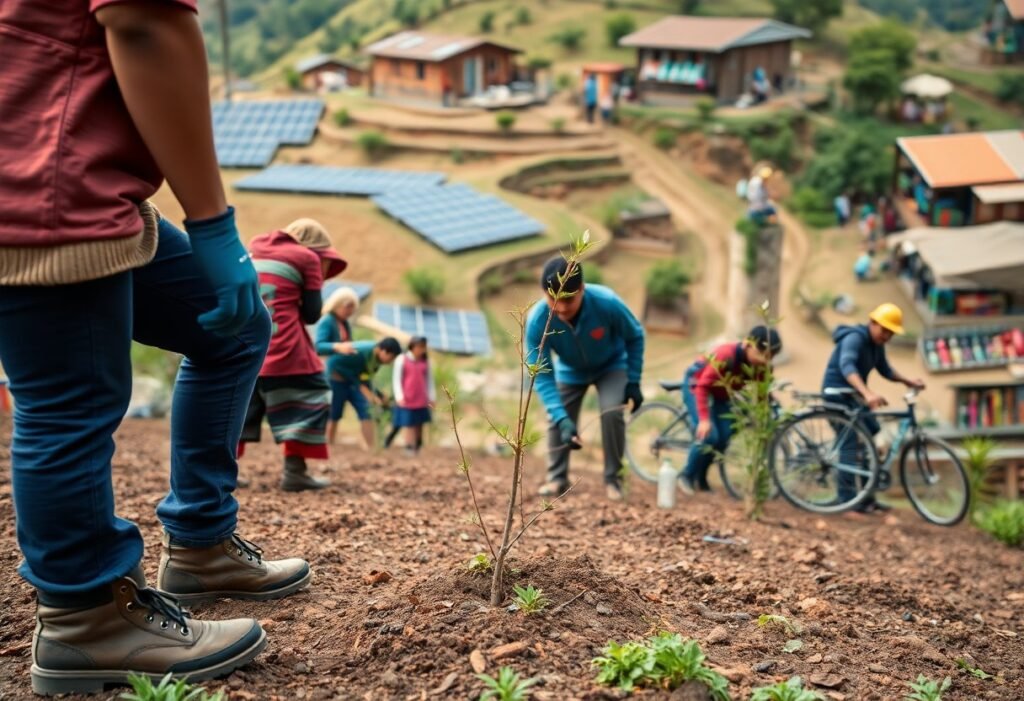
Just by choosing responsible tourism, you ensure your work supports sustainable practices and protects local cultures and ecosystems, while aligning with community needs. When you prioritize ethical partners and preparation you reduce the risk of causing unintended harm or dependency and improve safety. Responsible choices also amplify the positive outcomes of your service, deepening your personal growth and lasting community impact, so your volunteer abroad journey is effective, respectful, and enduring.
Key Takeaways:
- Responsible tourism deepens cultural immersion and fosters respectful exchanges between volunteers and local communities, creating more meaningful, authentic experiences.
- It maximizes positive, sustainable impact by supporting local economies, protecting environments, and aligning projects with community-defined needs.
- Practicing responsibility improves volunteer safety, accelerates skill development, and builds long-term partnerships that enhance program effectiveness and personal growth.
Understanding Responsible Tourism
You’ll want to see how responsible tourism reshapes your volunteer impact; read What is Voluntourism? for common pitfalls. It emphasizes community-led decision-making, environmental protection, and fair local economic benefit. Many short-term trips (1-12 weeks) can unintentionally cause harm without these safeguards, while well-structured programs produce measurable outcomes-improved school attendance or maintained infrastructure-so you should demand transparency and clear impact metrics.
Definition and Principles
Responsible tourism means you prioritize local agency, cultural respect, and environmental stewardship in every project. Programs follow principles like community-led planning, capacity-building rather than replacement, fair pay for local staff, and transparent funding. They often set KPIs-usage rates, beneficiary numbers, or maintenance schedules-to track progress. Choosing partners who publish baseline data and outcomes ensures your time and money support long-term resilience instead of short-lived visibility.
Importance in Volunteer Programs
When you apply responsible practices, your efforts move from temporary assistance to sustainable benefits for communities. Longer placements (6+ months) or training-focused models build local capacity and reduce dependency. Programs that require community approval and measurable targets help you avoid common harms of short-term voluntourism-such as skill gaps or incentivizing exploitative institutions-and ensure clear handover plans and follow-up.
For example, shifting from brief classroom visits to a training-of-trainers model has increased local teacher capacity in multiple projects, lowering reliance on external volunteers and improving attendance. You should request baseline data, exit strategies, and annual evaluations; programs that publish metrics like attendance rates, teacher retention, or infrastructure uptime let you verify real impact and protect community well-being.
Benefits of Responsible Tourism for Volunteers
You gain practical skills, stronger local relationships, and clearer outcomes when you follow responsible tourism principles. Studies show locally-led projects increase effectiveness by up to 40%. For example, a sanitation program in rural Ghana reduced waterborne illness by 30% within two years when volunteers worked under local leadership. You also help avoid short-term fixes that create dependency, instead supporting training, monitoring, and local governance for lasting, measurable impact.
Enhanced Cultural Exchange
You deepen cultural understanding by working side-by-side with hosts, joining community rituals, and attending structured exchanges. Pre-departure training increases the quality of interactions; volunteers who complete it report three times more meaningful conversations. In Cusco, volunteers who learned weaving from elders helped curate a community exhibit that drew 1,200 visitors, generating income and mutual respect. Enhanced cultural exchange makes your service more effective and personally transformative.
Sustainable Community Impact
Your contributions last when projects prioritize local leadership, skills transfer, and measurable goals. Programs that set multi-year targets-often 3-5 years-achieve continuity; in Kenya, agricultural coaching increased smallholder yields by about 25% over three seasons. By funding materials rather than salaries, you support autonomy and reduce the risk of project collapse. Focus on sustainable, locally-led solutions to maximize long-term benefit and minimize harm.
Good projects include clear KPIs, community co-design, and exit strategies so control transfers to locals. You should look for M&E plans reporting beneficiaries, timeline, and budget; strong programs track metrics like school attendance, crop yield, or income per household. For instance, a mangrove restoration in the Philippines replanted 50,000 seedlings over four years under local management, boosting nearby fish catches by about 15% and increasing household income. Prioritize programs with transparent reporting and community ownership to ensure your work endures.
Choosing Responsible Volunteer Programs
Prioritize programs that publish clear impact metrics, annual reports and partner agreements; ask for numbers like beneficiary counts, budget allocation and staff composition. Seek organizations with long-term local partnerships (ideally 3+ years) and >50% local staff, and verify third-party vetting on Charity Navigator or GuideStar when applicable. If fees are opaque or >40% of your payment goes to administrative overhead without explanation, treat that as a red flag.
Researching Organizations
When researching organizations, request the last two years of monitoring and evaluation reports and at least three contactable local partner references; check legal registration and tax status in-country. Compare program photos and beneficiary quotes to independent reviews and local news coverage. If an organization refuses to share alumni contacts or specific annual metrics-such as number of beneficiaries served-that’s a strong warning sign about transparency.
Assessing Ethical Practices
Check safeguarding, child protection and medical supervision policies; insist on written protocols and background checks for staff and volunteers. Avoid placements under two weeks and any role that asks you to perform clinical or technical work without verified certification-unqualified medical or dental tasks are dangerous. Prefer programs with >60% local leadership, clear exit strategies and documented sustainability metrics.
Dig deeper for red flags: heavy reliance on volunteer labor for core services, photos that sexualize or exploit children, or no mandatory safeguarding training. Ask for concrete long-term outcomes-did school attendance, health indicators or household income improve? Favor organizations that publish third-party evaluations, require background checks and allocate a clear share of fees to local work (for example, 60%+ directed to field activities).
Preparing for Your Volunteer Abroad Journey
Understanding Local Customs
You strengthen local partnerships when you learn routine norms: remove shoes before entering homes and temples in much of South Asia, avoid public displays of affection in many Muslim-majority areas, and always ask before photographing people. Practice at least 10 basic phrases and consult your host family about mealtimes, gift etiquette and gendered spaces; that local knowledge reduces misunderstandings and increases project success.
- dress codes
- shoe removal
- photo consent
- language basics
- religious practices
Thou should check program briefings and ask community liaisons about any local taboos before arrival.
Sustainable Packing Tips
Pack light and smart: aim for a carry limit around 15 kg, choose a durable bag, and prioritize reusable water bottle and eco-friendly sunscreen (SPF 30+, reef-safe). Swap liquids for solid toiletries, bring a basic medical kit and select clothing that can be layered and washed locally to reduce laundry impact.
- 15 kg limit
- reusable water bottle
- solid toiletries
- eco-friendly sunscreen
- medical kit
Thou ought to label important items and weigh luggage before departure to avoid excess fees and environmental costs.
You can expand sustainable packing by choosing multi-use items: bring shampoo bars and a bamboo toothbrush, pack 3 lightweight long-sleeve shirts and 2 quick-dry trousers, plus a compact rain jacket; use compression cubes to save space and keep a small repair kit for clothing and gear.
- shampoo bars
- bamboo toothbrush
- quick-dry clothing
- repair kit
- biodegradable menstrual products
Thou must check customs rules for restricted items and prioritize items that reduce single-use waste.
Engaging with Local Communities
Embedding yourself in community routines turns tasks into shared goals: you should attend town meetings, learn basic phrases, and follow local leadership on project timelines. When you prioritize Responsible travel practices, programs that source supplies locally can retain an estimated 40-60% more spending inside the community, while avoiding the danger of dependency by ensuring locals set priorities and lead decision-making.
Building Genuine Relationships
You strengthen trust by committing time: aim for stays of at least 3 months or scheduled return visits, volunteer alongside local staff, and share skills rather than impose solutions. Participate in language classes and household routines, co-design goals with community representatives, and document progress together so your presence becomes part of a sustainable, locally-led trajectory.
Promoting Local Economies
You support resilience when you hire local staff, buy food and materials nearby, and prioritize community-run enterprises; sourcing locally can keep a substantially larger share of each dollar circulating within the community, and direct hires reduce leakage to external contractors.
Practical steps include mapping supply chains, contracting local microbusinesses for catering and construction, and creating short procurement agreements with performance metrics (e.g., % local hiring, cost benchmarks). For example, switching to local suppliers often shortens lead times, builds skills through repeat orders, and creates predictable income-helping enterprises plan investments, pay wages on time, and reinvest profits into community services like education and healthcare.
Reflecting on Your Experience
After your placement, analyze program reports, beneficiary counts and any before/after indicators to judge real impact; for example, compare school attendance or clinic visits over the 6-12 months you worked. Balance personal anecdotes with data from partner agreements and annual reports so you can spot measurable gains and any unintended harm like dependency or displacement of local jobs.
Personal Growth and Insights
You should map specific skills you developed-leadership, language fluency, project management-and tie them to concrete outputs such as leading a team of 4 volunteers, delivering 120 teaching hours, or running a sanitation workshop for 200 residents. Doing this helps you translate lived experience into CV-ready accomplishments and identify areas where continued learning or ethical adjustments are needed.
Sharing Your Journey
You can amplify impact by creating a concise, evidence-based summary: a 1-page impact brief with three core metrics (hours served, beneficiaries reached, outcome change), a 2-minute video, and social posts that tag the local partner. Emphasize transparency and avoid posting sensitive personal or beneficiary details without consent to protect communities and your credibility.
For more impact, use a simple template: headline, context (baseline numbers), your contribution (tasks/hours), outcomes (quantitative change), partner quotes, and next steps. Share this with the host organization, donors, and 2-3 professional networks; include signed consent for photos, cite partner agreements, and add links to the program’s annual report so your account becomes a verifiable case study rather than just a personal story.
