
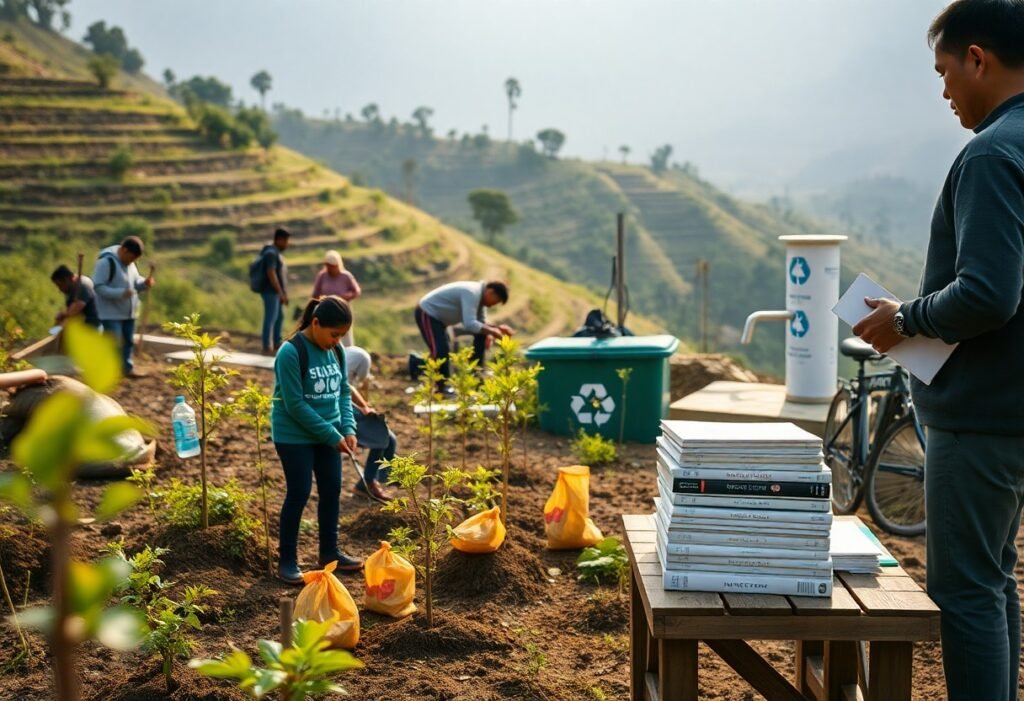
There’s a responsibility when you volunteer abroad: you must put community needs first, seek projects that empower locals, and minimize environmental impact. You should respect local culture, work with vetted organizations, and train or hire local staff so you don’t undermine livelihoods. Always assess risks to people and ecosystems and avoid doing harm; prioritize sustainable choices like local sourcing and long-term partnerships to support the local economy.
Key Takeaways:
- Prioritize community-led needs: consult local leaders, learn basic language and cultural norms, and support projects designed and managed by the community.
- Vet organizations for transparency and sustainability: choose programs focused on capacity building, with measurable long-term benefits and clear financial accountability.
- Minimize negative impact: support local businesses, obtain informed consent for photos, follow environmental best practices, and leave skills or resources that last after you leave.
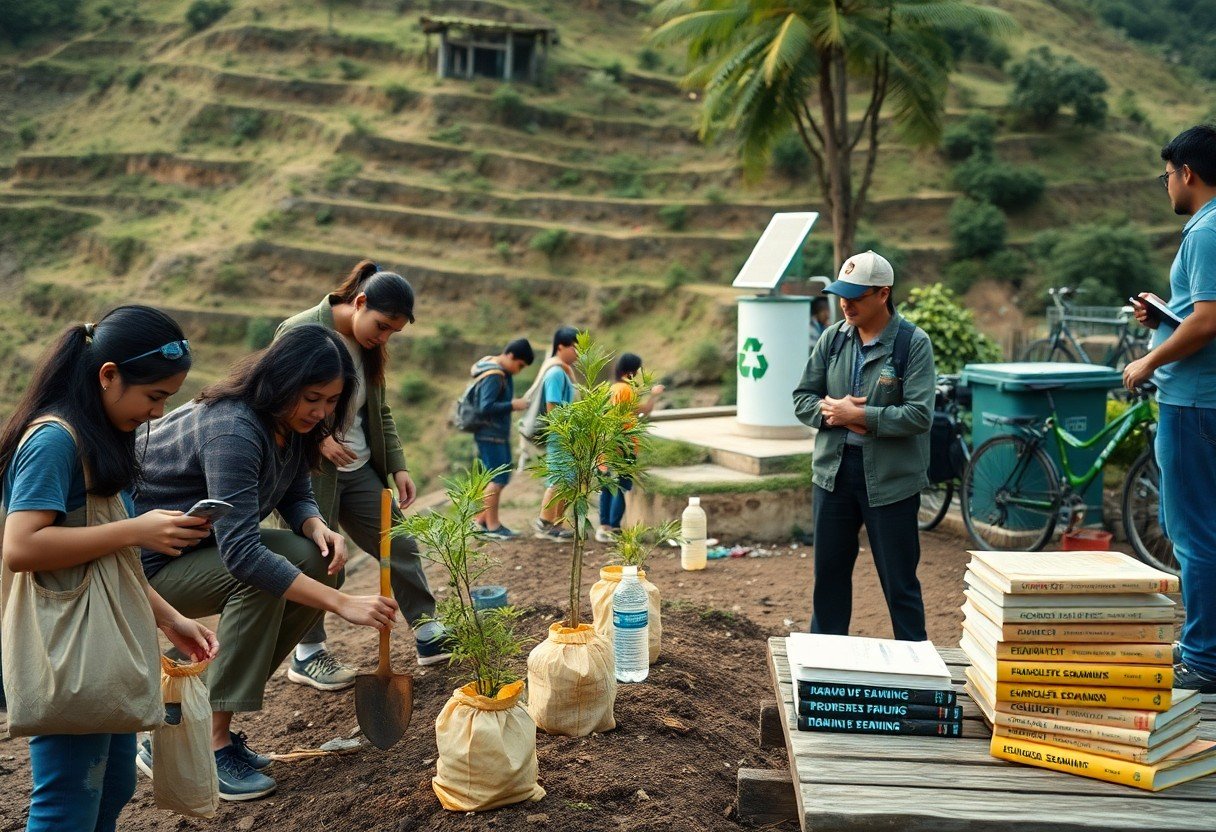
Understanding Responsible Tourism
As you continue, note that tourism contributes about 10% of global GDP and 1 in 10 jobs, so your volunteer choices ripple economically and ecologically; examples include Boracay’s 2018 closure for rehabilitation and cities like Venice introducing visitor controls. You can reduce harm by aligning with community priorities, following carrying-capacity rules, and choosing programs that monitor ecological indicators like water quality and species counts.
Definition and Principles
Responsible tourism means minimizing negative impacts and maximizing local benefits through community consent, environmental stewardship, cultural respect, transparency, and long-term planning. You should check for local governance, skill-transfer components, and clear exit strategies; avoid projects that prioritize tourist experience over measurable community needs or that bypass local decision-making.
Importance of Responsible Practices
Adopting responsible practices prevents environmental damage-for example, coral decline and waste overload-and reduces economic leakage where revenue leaves the destination; given tourism’s scale, small volunteer behaviors can scale into major impacts. You must avoid unsolicited medical or teaching roles and follow host-country regulations to protect both communities and yourself.
Practically, insist on accountability: request monitoring data, budgets, and evidence of local leadership. Destination management shows that visitor limits, community fees, and reinvested revenues yield better outcomes. When you prioritize contracts, reporting, and local decision-making, your time becomes sustainable support rather than short-term charity.
How to Choose a Responsible Volunteer Program
When choosing a program, prioritize organizations with local leadership, transparent budgets and measurable outcomes. Ask for audited financials, beneficiary contacts and a clear timeline for sustainability, and consult resources like How to Ensure You Are Being a Responsible Voluntourist. Avoid short-term placements under two weeks that often create dependency; prefer multi-month engagements where volunteers supplement, not replace, local staff.
Researching Organizations
You should verify legal registration, local partnerships and staff credentials, request an annual report and a line-item budget showing what percent of fees reach the community-aim for a majority (>50%). Read independent reviews, ask for names of local beneficiaries you can contact, and watch for red flags like no local partner, opaque finances or refusal to share impact data.
Evaluating Project Impact
Insist on specific impact metrics: baseline data, annual targets and follow-up results. For example, ask whether the program trained 50 local health workers last year or created measurable local jobs, and whether those claims were verified by an independent evaluation. Favor projects that prioritize capacity building and have a documented exit strategy.
Dig deeper by requesting baseline and follow-up reports, third-party evaluations and maintenance plans. Confirm volunteers are used for training or support-not to perform technical or paid local roles-and check timelines (multi-year plans, typically 3-5 years) and local staffing ratios (aim for a high percentage of local staff, e.g., 60-80%). If the organization cannot provide this data, treat it as a major warning sign.
Tips for Sustainable Travel
When you choose transport and accommodation for your placement, prioritize choices that lower harm and increase community benefit: favor rail or bus over frequent flights, book locally owned stays, and pack to avoid single-use items. You should treat every decision as part of the project impact-a single medium‑haul flight can emit more than 1 ton CO2 per passenger, so plan efficiently and combine trips where possible.
- Sustainable travel
- Carbon footprint
- Local economy
- Responsible volunteering
Minimizing Environmental Footprint
You can cut emissions by choosing overland routes, staying longer in one place, and carrying a refillable bottle and utensils to avoid disposables. Swap short-hop flights for trains when available, carry a lightweight solar charger, and support accommodations that track energy use; small moves like packing light and using public transit often reduce your footprint more than offset purchases.
Supporting Local Economies
You should spend where locals win: eat at family-run restaurants, hire nearby guides, and buy crafts from artisans rather than souvenir stalls tied to large operators. Prioritize businesses with local ownership so more of your payment stays in community hands and strengthens jobs-this is a direct way your time abroad multiplies benefits.
When you allocate money intentionally you magnify impact: for example, a three-hour guided walk that costs about $30 typically channels most of that fee to a single guide or their cooperative, unlike hotel chains that siphon profits to headquarters; supporting community cooperatives and markets also funds local schools, health services, and conservation efforts, so choose vendors with transparent practices and ask how revenue is used.
After reading practical steps, consult 14 Tips For Responsible Volunteer Abroad In Local … for a concise checklist.
Factors to Consider Before Volunteering
You should assess program transparency, genuine community leadership, and how impact is measured before committing; ask for budgets, partner letters, and monitoring data to verify benefits and avoid harm. Prioritize projects that pay local staff, match your skills to defined needs, and maintain clear safeguarding and insurance provisions. Assume that short placements under four weeks rarely yield sustainable change unless you’re filling a documented, time‑bound skills gap.
- Transparency – budgets, partner MOUs, impact reports
- Community leadership – local decision-making and priorities
- Duration – longer stays usually deliver more value
- Skills match – avoid unqualified task placement
- Local employment – programs that hire and train residents
- Safeguarding & insurance – background checks and liability cover
Cultural Sensitivity
You must learn local norms, basic language phrases, and acceptable dress codes before arrival; spend time listening to community leaders and adapt your behavior to local values. Seek consent before photographing or sharing stories, follow gender and religious interaction rules, and lean on local staff to interpret nuances – small gestures like using a respectful greeting can build trust and reduce unintended offense.
Legal and Ethical Considerations
You need to confirm visa and permit requirements, clarify whether unpaid roles count as work in-country, and obtain written role descriptions to avoid legal risk; check that the host organization is locally registered and provides adequate insurance and criminal-record screening when working with vulnerable groups. Noncompliance can lead to fines, deportation, or harm to beneficiaries.
Request documentation: local NGO registration numbers, a signed Memorandum of Understanding with the community, copies of safeguarding policies, and evidence of past impact (photos, reports, participant testimonials). Insist on pre-departure training covering local laws and reporting channels, verify medical and liability coverage, and refuse tasks outside your certified scope (for example, medical or legal work). If the program cannot produce these verifications or third‑party evaluations, reconsider participation.
Engaging with Local Communities
Engaging directly with local leaders and residents prevents project mismatch and builds trust; you should prioritize a formal needs assessment before action, schedule at least one community meeting per month during the first project phase, and defer to local decision-makers on priorities. Use local expertise for planning and consult resources like Responsible Volunteer Travel | Projects Abroad US to align your approach with established best practices.
Building Meaningful Relationships
Spend time learning basic phrases and cultural norms, attend community events, and shadow local staff so you become a reliable presence; when you stay beyond three months volunteers often move from transactional help to partnership, which raises program uptake and trust. Prioritize one-on-one conversations, follow through on small promises, and document commitments so you and the community can track progress together.
Encouraging Local Involvement
Prioritize hiring local staff, sourcing supplies locally, and paying fair stipends so your project supports the local economy; you should set a policy where at least 70-90% of on-site roles are filled by residents and train them for leadership positions. Avoid creating dependency by making local actors the primary implementers while you provide short-term technical support.
Create community committees that include women and youth, run training-of-trainers so skills remain local, and build an explicit exit strategy with milestones and handover dates. Aim for metrics such as 80% local participation in planning meetings and quarterly reviews to measure sustainability, and document transfer of responsibilities so your impact endures after you leave.
Sharing Your Experience
When you share your volunteer story, provide concrete details – project scope, timeline and measurable outcomes – so readers see impact; note tourism makes up about 10% of global GDP and supports 1 in 10 jobs, so accurate reporting matters. Avoid geotagging sensitive sites or posting identifiable images of children without consent, since that has been linked to increased exploitation. Instead, focus on lessons learned, local voices and follow-up results to amplify the community’s agency and long-term benefits.
Promoting Awareness
Use your platform to elevate local priorities by publishing clear metrics-number of households served, months of program delivery, and documented outcomes-rather than vague anecdotes; for example, say “we supported 120 students with after-school tutoring for six months” to show scale. Cite local partners, link to NGO reports, and always obtain consent for images; avoid sensational photos that create poverty porn and undermine dignity, and include resources so readers can learn more responsibly.
Inspiring Others to Volunteer Responsibly
Model responsible choices by naming vetted organizations, describing time and skill commitments, and sharing how projects measured success; list practical steps you took-vetting local leadership, confirming monitoring plans, and aligning your skills with needs-to make it easy for others to follow. Highlight programs with transparent budgets and local governance so people choose opportunities that prioritize community benefit over volunteer experience.
Give readers a short checklist: ask who leads locally, request monitoring reports, confirm how funds are spent, verify consent procedures for photos, and consider placements lasting four weeks or more for sustainable roles. Offer links to two or three reputable networks you used, summarize one brief case where local oversight changed project direction, and encourage prospective volunteers to demand accountability before committing time or money.
Conclusion
Now you can ensure your volunteer travel supports communities and ecosystems by choosing ethical organizations, respecting local customs, minimizing environmental impact, compensating fairly, and prioritizing skills-based contributions over short-term fixes. Engage with locals, follow local regulations, learn language basics, reduce waste, buy locally, and question projects that displace labor or exploit vulnerability. Measure success by long-term benefits for residents, not personal experience, and stay accountable through transparent reporting, feedback, and continued support.
