
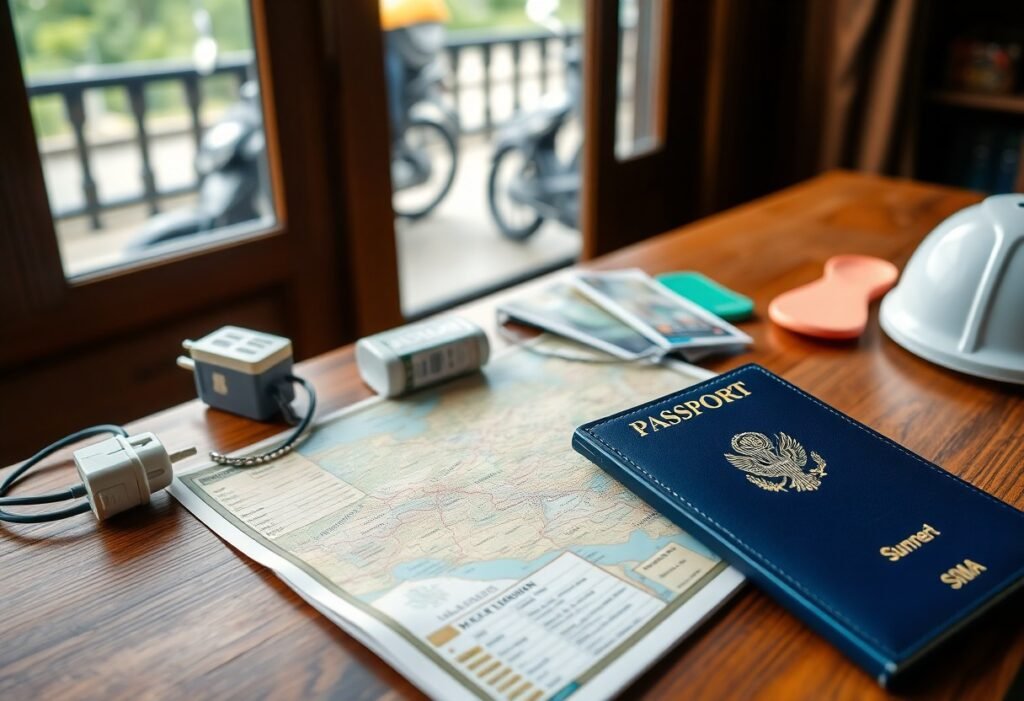
Over the course of your trip, plan ahead: get recommended vaccinations, buy comprehensive travel insurance, and pack for heat and rain; stay alert to motorbike traffic and pickpocketing, avoid unlit areas at night, and verify tuk-tuk fares. Carry local cash, sample safe street food, learn basic local phrases, respect customs, and keep digital copies of documents so you can handle emergencies confidently.
Key Takeaways:
- Verify visa rules and passport validity, buy travel insurance, and keep digital and physical copies of important documents; get a local SIM or eSIM for navigation and contact.
- Protect your health by updating vaccinations, using mosquito repellent, drinking bottled or treated water, and carrying a basic first-aid kit plus necessary prescriptions.
- Carry cash for markets, use ATMs in safe locations, learn basic local etiquette (temple dress codes, removing shoes), and stay alert for common scams.

Planning Your Trip
Best Time to Visit
Choose months by region: November-February is prime for Thailand, Cambodia and Vietnam with cooler, drier weather; April-October is Bali’s dry season and best for Indonesia’s islands. Monsoon periods (roughly May-October on the mainland) bring heavy rain but lower prices and fewer crowds. If diving, target the Andaman Sea in November-April and the Gulf of Thailand in January-August. Book flights and hotels 2-3 months ahead for peak windows to secure availability and better rates.
Understanding Visa Requirements
Rules vary by nationality: many travelers receive visa-free stays of 30-90 days (Thailand generally 30 days, Malaysia 90), while Vietnam, Cambodia and Laos offer e-visas or visas-on-arrival for about 30 days. Governments commonly require 6 months passport validity, proof of onward travel and sometimes proof of funds. Overstaying can result in fines, detention or deportation, so check embassy guidance or Timatic before you book. If you plan to work or stay longer, secure the correct visa in advance.
Expect e-visa processing of 1-7 business days in many cases: Vietnam’s e-visa is about $25 for a 30-day single entry, Cambodia’s visa-on-arrival runs near $30, and Indonesia’s VOA is roughly $35 and typically extendable once for 30 days. Thailand’s visa exemption gives 30 days by air and can be extended at immigration for ~1,900 THB. Airlines may deny boarding without an onward ticket, so you should verify entry fees, processing times and documentary requirements via your destination’s embassy or IATA Timatic before departure.
Packing Essentials
Pack smart: prioritize lightweight, breathable layers and a compact first-aid kit, plus secure document copies in waterproof bags. You should bring a 10,000mAh+ power bank, a universal adapter, SPF 30+ sunscreen, and insect repellent (DEET 20-30%) since some areas have high dengue risk. Budget carriers often limit checked baggage to ~20-30 kg and cabin bags to about 7 kg, so use compression cubes and see 8 Top Tips for Your First Trip to Southeast Asia for more packing hacks.
Clothing for Southeast Asia’s Climate
You should choose quick-dry shirts and lightweight trousers-plan on 2-4 shirts and 1-2 pairs of pants for a two-week trip. Include a long-sleeve shirt and lightweight pants for sun and mosquito protection, plus a compact rain jacket or poncho for monsoon months. Carry a sarong or scarf to cover shoulders and knees at temples; pack sandals and one pair of sturdy walking shoes to handle beaches and uneven city streets.
Must-Have Travel Gear
You’ll want a universal adapter, a 10,000mAh power bank, a compact dry bag, and a reusable water bottle. Add a secure money belt or neck pouch, a microfiber towel, and a basic medical kit with antihistamines and oral rehydration salts. Carry travel insurance details and digital copies; these items save time and reduce risk during long bus rides, ferries, and island hops.
If you’re going off-grid, opt for a 10,000-20,000mAh power bank but be aware airlines require you to keep power banks in carry-on, not checked luggage. Choose a 10-20L dry bag for day trips and a LifeStraw or UV SteriPEN for safe drinking water in remote areas. Pack a small blister kit and oral rehydration salts to treat common issues quickly and keep you exploring longer.
Transportation Options
Across major hubs like Bangkok, Kuala Lumpur and Ho Chi Minh, you’ll mix metros, tuk‑tuks and budget airlines; metro fares often run US$0.30-$2 while low‑cost carriers offer flights from about US$20 one‑way. You should use apps such as Grab for transparent pricing and meter insistence, and consult guides like Southeast Asia travel: The NEWEST and MOST detailed … for region‑by‑region breakdowns.
Navigating Public Transport
Use city cards (Bangkok’s Rabbit, KL’s Touch ‘n Go, Singapore’s EZ‑Link) to save time and small fares, often $0.20-$1.50 per trip. Expect packed peak hours on commuter lines and buses, so plan off‑peak travel when possible. Watch for pickpockets in crowded stations, keep valuables secured, and learn major routes-knowing the last train times can prevent costly taxis late at night.
Renting Scooters and Bikes
Scooters dominate in Vietnam and much of Thailand; typical rentals cost $5-$15/day. You must wear a helmet and check whether the rental includes insurance-many do not, leaving you liable in crashes. Carry an International Driving Permit or local license where required, and avoid unsecured rental agreements that let shops hold your passport as a deposit.
Before riding, inspect brakes, lights and tires and take time‑stamped photos of existing damage; shops often charge for dents you didn’t cause. Negotiate fuel policy and daily rate (weekly deals can drop the price by 20-40%). If a vendor insists on holding your passport, ask for a signed receipt or pay a cash deposit of $50-$200 instead, and avoid night riding on rural roads with poor lighting.
Accommodation Choices
When choosing lodging across Southeast Asia you’ll find dorm beds from $4-$15/night, budget hotels $15-$40, mid‑range $40-120 and luxury properties from $120 up; peak months like December-January and Songkran in April can double rates, so book early. Prioritize places with 24‑hour reception, safe lockers and air conditioning in hot cities, and avoid street‑level rooms prone to noise or flooding during monsoon season.
Hotels vs. Hostels
Compare options by budget and travel style: hotels give you private bathrooms, daily cleaning and 24‑hour front desks, with standard doubles often $25-$80; hostels offer dorms from $5-$15, social events and free walking tours, while private hostel rooms run $12-30. If you travel solo, use hostels to meet people; if you’re with family or need quiet, pick a hotel near public transport and check reviews for cleanliness and bed‑bug reports.
Unique Stays and Local Experiences
Seek homestays, eco‑lodges and converted heritage houses for authentic stays-examples include overwater bungalows in Palawan from $100+, beach bungalows in the Gili Islands for $20-50, and rice‑field homestays around Ubud for $15-30 per night. These often support local communities and deliver standout views, but expect limited hot water or intermittent electricity in remote spots; verify amenities before booking.
Before booking, ask hosts about meals, transport options and cancellation policy; in Chiang Mai’s Mae Kampong a homestay often includes a home‑cooked meal for $10-15, while Sapa hill‑tribe stays commonly cost $8-20 and include a guide. Also check for safe drinking water, mosquito nets and emergency contacts, confirm power hours if off‑grid, and pay via reputable platforms or cash on arrival to avoid scams.
Cultural Etiquette
Across Southeast Asia you’ll find strong expectations around modesty, temple protocol and personal space; remove your shoes before entering homes or most temples and never touch someone’s head. In Thailand use a polite wai or nod; in Muslim areas dress to cover shoulders and knees and avoid drinking publicly during Ramadan. For practical tips from locals see The south east asia travelling tips for traveller, from a local.
Greeting Customs
In Thailand you’ll encounter the wai-hands together at chest level and a slight bow-higher for elders; in Malaysia and Indonesia a brief handshake with the right hand and a nod is common, but women may wait for the other person to initiate. When meeting monks, you should avoid physical contact if you’re female and hand items via a male or place them on a cloth. Smiles and a calm tone go a long way.
Dos and Don’ts
Do cover shoulders and knees at temples, speak softly in public spaces and bargain politely in markets (aim to start ~30-50% below the asking price). Don’t point your feet at people or Buddha images, and avoid criticizing the monarchy in Thailand-it can lead to legal trouble. Also, avoid public displays of affection in conservative areas, as locals often view them as disrespectful.
More specifically, at sites like Bangkok’s Grand Palace and many Cambodian temples you’ll be denied entry if your shoulders or knees are exposed, so carry a sarong or scarf; when bargaining in markets in Chiang Mai or Phnom Penh, offer about 40% of the sticker price and expect to settle around 60-70% after polite back-and-forth. If a local corrects your behavior, accept it graciously-most negative reactions stem from cultural misunderstanding rather than malice-and always keep copies of your documents and avoid political protests, which can escalate quickly.
Safety Tips
Stay vigilant in crowded areas and transit hubs where pickpocketing and petty theft spike; secure bags with zippers and use money belts. Check local advisories for weather hazards like monsoon flooding and avoid night travel on rural roads prone to poor lighting. Use official transport or reputable apps to reduce fare and taxi scams, and keep scanned IDs and emergency contacts offline and in the cloud. Knowing to register with your embassy and save local emergency numbers can speed help if something goes wrong.
- Traffic – helmet and seatbelt use, expect aggressive driving in cities
- Pickpocketing – keep valuables concealed in crowds and busy markets
- Scams – agree fares, confirm tour prices, verify credentials
- Health – vaccinations, bottled water, insect repellent
- Emergencies – know local numbers (e.g., Thailand 191), embassy contacts
Staying Healthy
Get vaccinations such as Hepatitis A and typhoid 4-6 weeks before travel and consult about rabies or Japanese encephalitis for rural itineraries. Drink sealed bottled water and avoid ice from street vendors to cut gastroenteritis risk, which affects up to 50% of first-time travelers in some surveys. Use insect repellent with 30-50% DEET and consider antimalarial tablets if visiting forested areas in parts of Myanmar, Cambodia or Laos.
Managing Personal Security
Minimize targets by dressing modestly and limiting flashy electronics; in busy tourist spots keep bags across your body and zippers facing you to deter pickpocketing. Use hotel safes for passports and extra cards, prefer ATMs inside banks to reduce ATM skimming, and opt for vetted ride-hailing apps or hotel-recommended taxis instead of accepting unsolicited rides.
Expect common schemes like inflated taxi fares, tuk‑tuk detours to shops, and distraction tactics in markets; if approached with an implausible deal, walk away and verify with hotel staff. Photograph important documents and store copies separately, split cash and cards across pockets, and use anti-theft bags with locking zippers on trains and ferries. Prioritize personal safety over belongings during confrontations and report incidents to local police and your embassy for assistance.
Final Words
Presently you should prioritize flexible planning, local research, health precautions, respectful dress, and cash management; embracing modesty and basic language phrases will enhance interactions, while travel insurance and cautious transport choices protect your trip-stay open-minded and adaptable to fully enjoy Southeast Asia’s culture, cuisine, and landscapes.
