
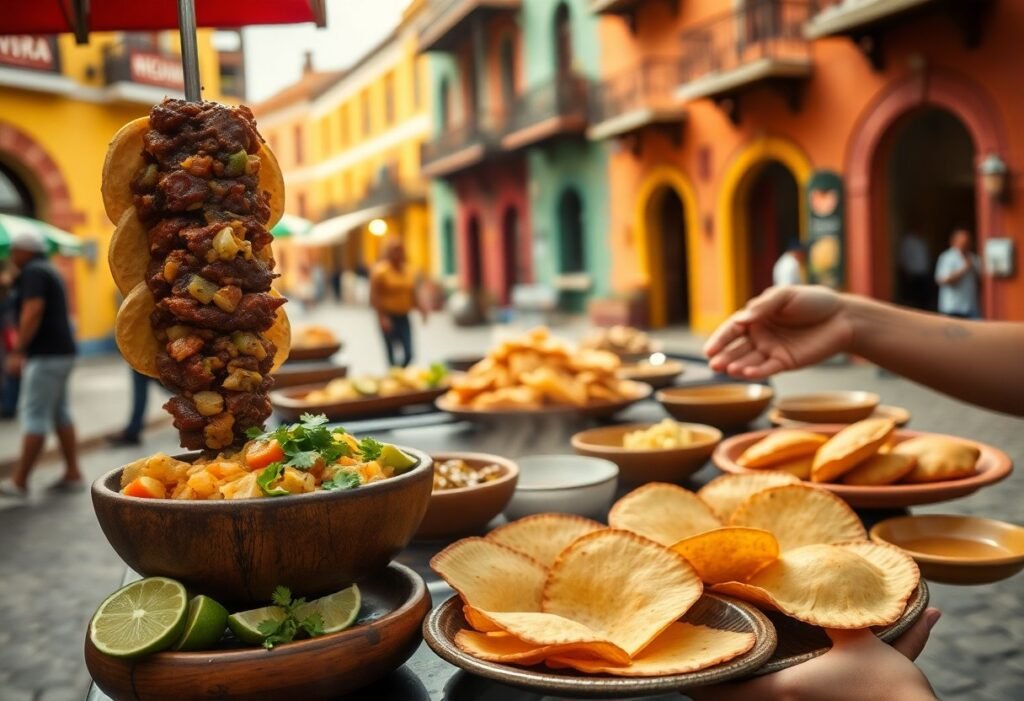
There’s a culinary journey across Latin America that asks you to explore markets, street stalls and family kitchens; seek out local markets to sample fresh ingredients, try street food like tacos, arepas and empanadas and savor regional staples such as ceviche or feijoada. You should balance adventurous tasting with safety-be cautious with raw seafood and unbottled water-and engage with vendors to learn cooking traditions; your palate will reward you with bold, varied flavors and deeper cultural insight.
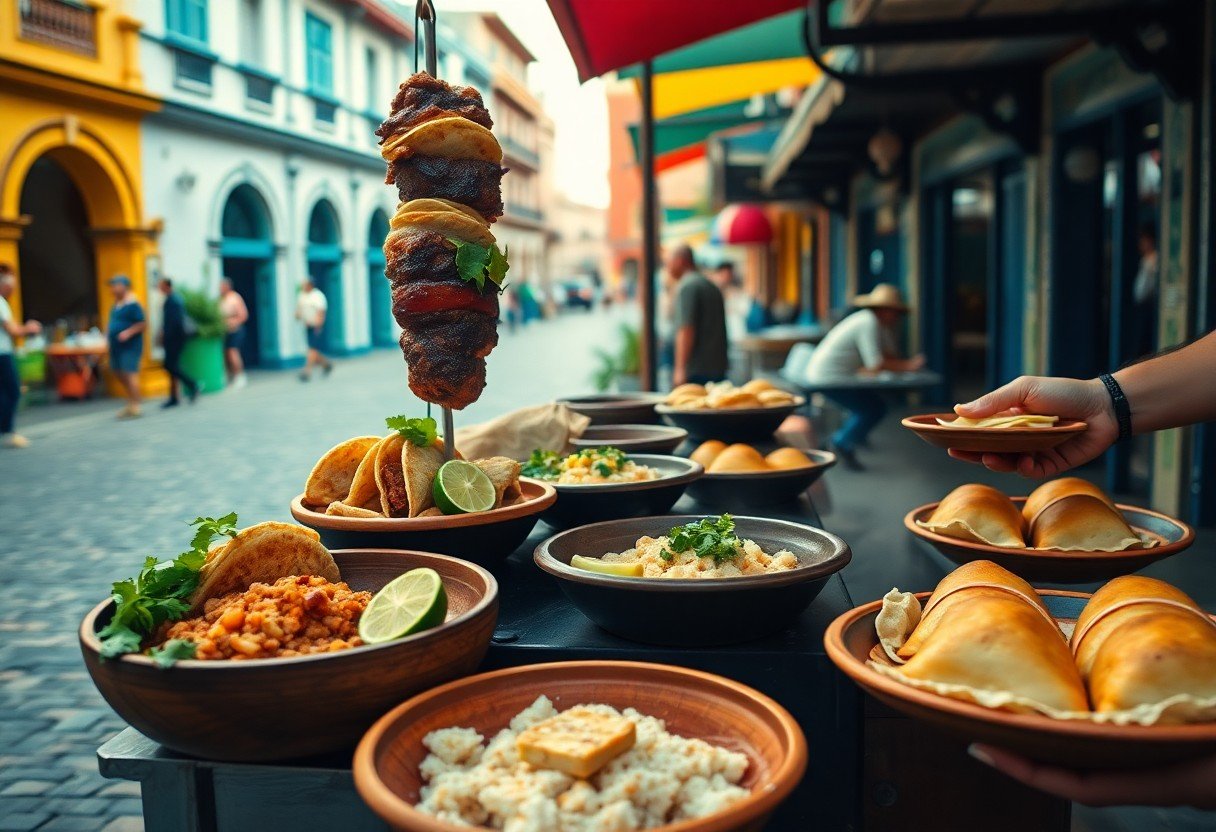
Key Takeaways:
- Seek iconic regional dishes – Mexican tacos, Peruvian ceviche, Brazilian feijoada, Colombian arepas – to sample Latin America’s culinary diversity.
- Eat at markets and street stalls for authentic, affordable flavors and the freshest seasonal ingredients.
- Try traditional drinks and communal meals (mezcal, chicha, caipirinha) and engage with local vendors to deepen cultural understanding.
Key Ingredients in Latin American Cuisine
Across the region you’ll encounter maize-domesticated around 7,000-9,000 years ago-alongside beans, rice, potatoes and quinoa, the latter native to the Andes. You’ll see plantains and cassava in tropical zones, plus an astonishing diversity of chiles used fresh, dried, and smoked. Expect dishes built on starch-legume-chile combinations: Mexican tortillas, Peruvian causa, Brazilian manioc stews, each reflecting local biodiversity and seasonality.
Traditional staples
You’ll rely on maize-based items like tortillas and arepas, rice-and-beans combinations, and tamales with dozens of regional variants. Nixtamalization in Mexico improves corn’s flavor and nutrient availability, while quinoa and potatoes dominate Andean plates. In Brazil, manioc appears as flour, tapioca, and boiled root; plantains appear fried or baked across the Caribbean and Central America. Many staples are naturally gluten-free, easing dietary choices for travelers.
Unique flavor profiles
You’ll notice layered sauces such as Mexican mole-often using more than 20 ingredients-balanced by Peru’s bright aji amarillo and citrus-forward ceviche. Chilees range widely: jalapeño (2,500-8,000 SHU) versus habanero (100,000-350,000 SHU), giving varied heat and aroma. Smoky annatto, floral cacao, and tangy citrus create complex contrasts, and when sampling ceviche be aware that raw seafood carries higher foodborne risk if not prepared fresh.
You’ll also encounter fermentation, smoking, and acid treatments that define regional tastes: Nikkei cuisine blends Japanese precision with Peruvian ingredients, Amazonian dishes use palm oil and wild fruits, and coastal recipes layer coconut milk for richness. Peru preserves over 4,000 potato varieties, offering a massive textural palette, while chimichurri and ají sauces provide bright, herbaceous finishes that reveal Indigenous, African, European, and Asian influences.
Iconic Dishes to Try
Tacos and Tamales
You’ll find tacos in every Mexican city: order al pastor (pork roasted on a vertical spit) or carnitas at bustling street stands, served on small corn tortillas with onion, cilantro and salsa. Tamales shift by region-Mexican tamales wrapped in corn husks, Guatemalan paches made with mashed ingredients, Venezuelan hallacas at Christmas-typically steamed and eaten warm. For flavor and safety, choose busy stalls and taste tamales at a local market to sample authentic regional fillings.
Ceviche and Empanadas
When you order Peruvian ceviche, it uses firm white fish cured in lime juice for about 10-20 minutes, finished with leche de tigre, cancha and sweet potato; Ecuadorian ceviches often feature shrimp and tomato. Empanadas range from Argentina’s baked beef varieties to Colombia’s fried corn empanadas-each province has its own spice profile. Always prioritize fresh fish when you order ceviche to reduce the risk of foodborne illness.
When you visit a cebichería in Lima, chefs commonly prepare single batches so you taste peak freshness; ask how long the fish has been marinated and whether it was caught that day. For empanadas, compare textures: flaky baked dough in Chile and Argentina versus crisp fried corn dough in Colombia, and pair them with salsas, a glass of chicha morada or a cold beer to balance richness.
Regional Specialties
Across Latin America you’ll find distinct culinary zones: coastal seafood and coconut-heavy dishes, mountain stews and tubers, Amazonian fish and palm hearts, plus gaucho beef and wine in the south. Seek out local markets and neighborhood kitchens; try street snacks for authentic flavors but be cautious with raw seafood from questionable vendors. For city-by-city recommendations consult The 10 Best Food Cities in Latin America.
Caribbean Delights
On the Caribbean coast you’ll encounter coconut rice, fried plantains and bold spices: mofongo (mashed fried plantain with garlic and chicharrón) in Puerto Rico and the Dominican Republic, Colombian Cartagena’s fried whole fish with coconut rice, and Cuban ropa vieja’s shredded beef braised with peppers. You should sample sancocho stews, street empanadas, and always ask vendors about seafood freshness to avoid foodborne illness.
Andean Flavors
In the Andes you’ll taste tuber variety and highland staples: Peru alone has over 3,000 potato varieties, alongside quinoa, hearty stews, and proteins like cuy (roasted guinea pig) in Peru and Ecuador. Try anticuchos (grilled beef heart), llapingachos (potato patties), and local chicha drinks; at altitude you should pace spicy foods and hydrate to help acclimatize.
Visit markets such as Cuzco’s San Pedro to sample fresh quinoa soups, Andean cheeses and roasted cuy; in Arequipa order rocoto relleno and near Lake Titicaca try trout farms. Vendors sell high-energy snacks ideal for altitude, so you should slow your pace, sip coca tea, and avoid unpasteurized dairy to protect your stomach and adapt comfortably.
Food Markets and Street Food
Step into mercados where overflowing stalls serve tacos al pastor, Peruvian anticuchos and Bahian acarajé; you should choose busy stalls and prefer items cooked to order, consult local roundups like Top 7 Street Food Experiences From Latin America for must-see vendors, and follow a simple safety rule: eat only piping-hot food and avoid pre-cut raw salads to lower the risk of stomach upset.
Must-visit markets
You should visit Mercado de la Merced (Mexico City) for chilies and tacos, Surquillo in Lima for fresh fish for ceviche, Paloquemao in Bogotá for exotic fruit and flowers, Mercado de San Pedro in Cusco for native potatoes and cuy snacks, and Mercado Modelo in Salvador for Bahian street dishes; plan 1-3 hours per market to taste, bargain, and photograph without rushing.
Street food necessarys
You should prioritize stalls with visible cooking and long lines, favor hot grilled or fried items like tacos, pupusas and arepas, carry small bills and hand sanitizer, and expect typical snack prices of about US$1-5 in many cities; this approach maximizes freshness, flavor and value.
You should also watch preparation: ask vendors to serve items extra hot, observe turnover (high turnover = fresher ingredients), and favor cooked proteins if you have a sensitive stomach. For example, tacos al pastor are sliced from a vertical spit and served immediately, while ceviche is safest at busy cevicherías; keep bottled water and basic meds on hand and avoid sauces that have been sitting out for hours.
Culinary Tours and Experiences
Choose from half-day market walks to full-day regional excursions that typically include 8-12 tastings, a market stop and a local chef demo; in Mexico City and Lima many tours cost between $25-$80. You’ll learn where ingredients come from, how vendors grade freshness, and which stalls to avoid; for example, reputable ceviche stops in Lima source fish that’s ice-chilled within hours. Always carry hand sanitizer and favour guides who enforce safe food handling.
Cooking classes
You can book 2-6 hour hands-on classes in Oaxaca to make mole, in Lima to prepare ceviche and leche de tigre, or in Buenos Aires for empanadas and chimichurri; many include a 60-90 minute market tour and recipes to take home. Expect groups of 6-12, prices from $30-$120, and instructors who teach techniques like nixtamalized masa or proper citrus curing for fish. If you’re pregnant or immunocompromised, choose classes that avoid raw seafood.
Food festivals
Attend multi-day festivals and weekend street fairs where you’ll sample dozens of regional specialties: Peru’s city gastronomic fairs, Brazil’s Festa Junina stalls, and Mexico’s local food markets often host 50+ vendors and attract tens of thousands of visitors on peak days. Bring cash, plan tasting-sized portions, and watch for long lines at signature booths run by celebrated chefs.
To get the most out of festivals, arrive early for fresh offerings, map “must-try” stalls in advance, and split plates so you can try more – typical portions run $3-$15. Book chef tables or special events weeks ahead, carry water, and be alert to raw seafood, spicy chiles, and cross-contamination risks if you have allergies; festivals in major cities often publish vendor lists and accessibility info online.
Pairing Food with Local Beverages
Raise flavor by matching regional drinks to dishes: pair Argentine Malbec (about 13-14% ABV) with asado, choose a crisp Torrontés or Sauvignon Blanc for Peruvian ceviche, and reach for a lime caipirinha alongside Brazilian feijoada. You should use acidity to cut fat and carbonation to refresh the palate; in coastal markets ask for local draft beers or chilled whites. High-ABV spirits can overwhelm-pace your pours.
Wine and Fruiy cocktails
When you select wine, favor bright acidity-Torrontés (around 12% ABV) or a zesty Sauvignon Blanc lifts ceviche, while Malbec amplifies grilled red meat. For fruity cocktails, order a Brazilian caipirinha or Peruvian pisco sour: their citrus and sugar balance smoky or spicy dishes. Try a grapefruit-forward pisco cocktail in Lima or a berry-infused rosé in Valparaíso to highlight local fruit varietals and terroir.
Traditional drinks
You’ll encounter signature spirits-pisco, cachaça, mezcal, and aguardiente-frequently served as aperitifs or with meals. Pisco and cachaça often sit between 38-48% ABV, so you should sip slowly; mezcal’s smoke pairs with rich, earthy moles, and aguardiente’s anise notes cut through fried street snacks.
Dive into specifics: Peru’s pisco appears as quebranta (single-varietal) or acholado (blended), Chile and Peru have distinct styles, and cachaça is distilled from fresh sugarcane juice unlike rum. Mezcal’s espadín agave yields pronounced smoky phenols-pair with citrus or corn-based sides. Colombian aguardiente is lower proof (~29% ABV) and usually sipped socially. Request 30-60 ml tastings to compare nuances without overindulging.
To wrap up
Conclusively, you should include tasting street food and market specialties, savoring regional staples-from ceviche and tacos to bandeja paisa-joining communal meals and family-run eateries, taking a cooking class, and exploring local beverages like coffee and chicha; these experiences deepen your cultural understanding and ensure you leave with authentic flavors and stories to carry home.
