
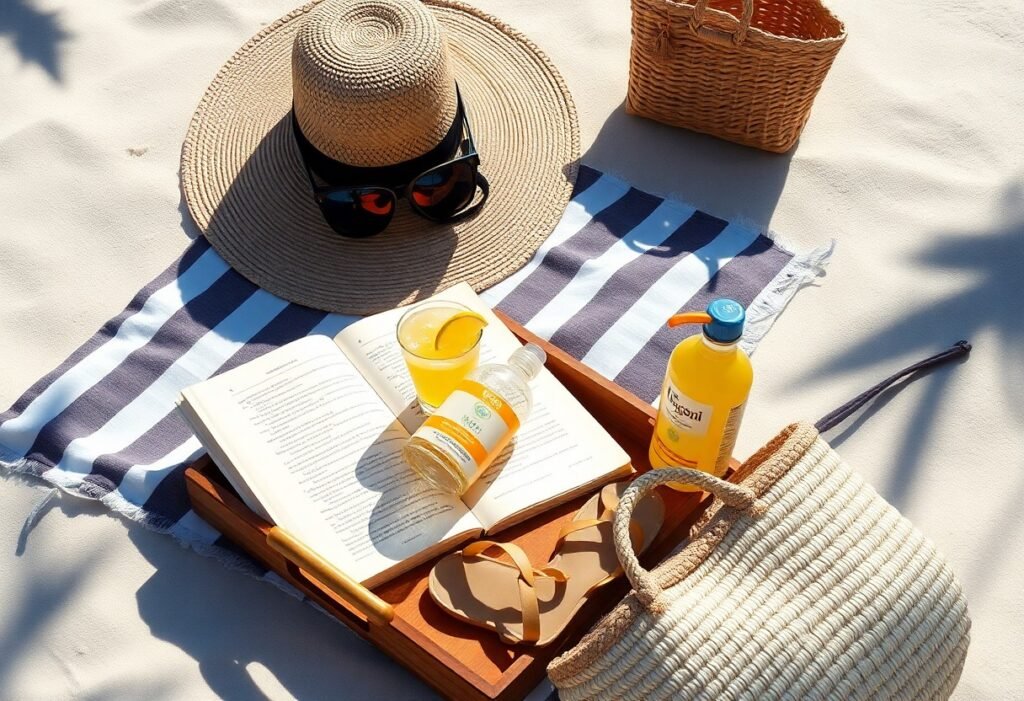
Relaxation begins with intention: plan a simple sequence that lets you unwind, protect your skin, and stay safe. You should arrive with a shaded spot, hydration, and a lightweight blanket; apply broad-spectrum SPF 30+ every two hours and avoid rip currents by swimming near lifeguards. Build a ritual of deep breathing, gentle stretching, and a tech-free timer so your peace and safety last all day.
Key Takeaways:
- Choose the right time and spot – early morning or late afternoon, sheltered from wind, with space for privacy; pack water, sunscreen, shade, and a lightweight blanket or chair.
- Establish a short transition ritual: hydrate, apply sunscreen, do deep-breathing and gentle stretches, then set a no-phone interval to stay present.
- Prioritize comfort and safety – reapply sunscreen, stay hydrated, use a sunshade or umbrella, and bring small comforts (pillow, earplugs) to sustain relaxed focus.
Understanding the Ideal Beach Environment
Assess wind direction, tide patterns and crowd flow so the site supports your calm: aim for a beach with natural windbreaks, a wide dry-sand berm and lifeguard coverage when possible. You benefit from beaches where the slope is gentle and the surf is predictable; rip currents cause most rescues, so choose stretches with clear signage or guarded zones. Morning and late-afternoon visits lower UV exposure and heat, helping you relax longer without overheating.
Choosing the Right Location
Seek a spot that matches your priorities: a sheltered cove for quiet, a wide public beach if you want amenities, or a state park for cleaner sand and fewer crowds. If you value convenience, pick a site within 200-500 metres of parking and restrooms; if privacy matters, target stretches with natural dunes or rocky headlands. Always check recent reviews or local reports for surf, crowd levels and any wildlife closures.
Timing Your Beach Visit
Plan around the sun and tides: the UV index typically peaks between 11:00 and 15:00, so arriving before 09:00 or after 16:00 reduces sun risk and often brings calmer winds. Low tide exposes more sand for spacing and puts you farther from breaking waves, while high tide can cut your usable area-adjust your set-up accordingly to avoid having to relocate.
Use tide charts and local surf reports to fine-tune timing: check the published high/low times (NOAA or local apps) and aim to arrive 30-60 minutes before low tide for maximum space. Weekdays and shoulder seasons usually mean fewer people; if you rely on lifeguards, confirm their hours (often 10:00-18:00). Also monitor wind forecasts-onshore winds after noon commonly increase sand blow and surf chop.
Essential Items for Your Beach Relaxation
Pack necessarys that support calm and comfort: a lightweight shade (pop-up tent or umbrella), a broad-brim hat, reusable water bottle for hydration, and reef-safe sunscreen SPF 30+. Bring a compact blanket and a small pillow for lounging, and if you plan gentle movement, include a mat – see Yoga for Relaxation: How to Unwind and De-Stress During … for beach-friendly sequences.
Beach Gear Checklist
Assemble functional items: a low-profile beach chair, insulated cooler for water and snacks, quick-dry towel, and a sand-free mat for lounging. Any extras should be lightweight and multi-use to avoid clutter and speed setup.
- Chair – low-profile, foldable for wind resistance
- Cooler – insulated, keeps water cold 6-12 hours
- Towel – quick-dry microfiber for space savings
- Mat – sand-resistant, easily shaken out
- Bag – waterproof pouch for phone and keys
Sun Protection Tips
Manage exposure with broad-spectrum SPF 30+ sunscreen applied 15 minutes before sun, reapply every two hours or after swimming, wear a wide-brim hat, UV-blocking sunglasses, and don UPF coverups during peak UV hours (10:00-16:00).
Apply about one ounce (a shot-glass) per full-body application and use SPF lip balm; opt for water-resistant formulas rated 40 or 80 minutes for active days. Any time you’re in the water or sweating heavily, reapply immediately.
- SPF 30+ – broad-spectrum for UVA/UVB protection
- Reapply – every 2 hours or after swimming
- UPF Clothing – rated garments block more UV than cotton
- Sunglasses – block 100% UVA/UVB
- Shade – umbrella or canopy reduces direct exposure
Crafting Your Beach Relaxation Routine
Start by blocking time: set a 30-60 minute no-phone window to truly unwind, alternate active 20-30 minute walks with seated rest, and plan meals/snacks to avoid afternoon hunger. Use a simple checklist-shade, water, hat, and a beach blanket-and consult a quick guide like 8 Simple Ways to Actually Unwind On Your Beach Vacation – for extra tips; stay hydrated and use SPF 30+ to prevent sun damage, and watch for rip currents when swimming.
Setting Up Your Space
Choose a spot 15-30 feet from the high-tide line to avoid surprise waves, angle your umbrella against prevailing wind, and anchor it with a sand screw or heavy bag. Lay towels so your feet face the water for quick dips, keep valuables in a waterproof pouch, and set chair recline to 120-140° for ergonomic lounging. Emphasize shade rotation every 60-90 minutes to reduce UV exposure and maintain comfort.
Incorporating Mindfulness Practices
Begin with a 3-5 minute breathing exercise-try a 4-6-8 pattern-followed by a 5-10 minute body-scan from toes to head, and finish with a short walking meditation along the shore. Counting waves or naming five visible sounds anchors you to the present, which lowers stress and sharpens focus without equipment.
For a compact routine, do three rounds: 3 minutes focused breathing, 5 minutes body-scan (spend ~30-60 seconds per major area), then a 10-minute barefoot walk noting temperature and texture. Use a silent timer or vibration watch to avoid phone distractions, and if anxiety rises, extend breathing to 6 minutes. These repeatable steps create measurable gains in calm within a single beach session.
Engaging in Fun Beach Activities
You can mix gentle play with restorative time: try a 30-45 minute paddleboard session, a quick game of beach volleyball, or shell-hunting for 20 minutes to boost endorphins while maintaining calm. Keep sun protection and hydration front of mind, and explore local options like Relax, Unwind, and Enjoy ‘Beach Therapy’ in the Wildwoods for guided activities and tips.
Balancing Relaxation with Play
You should alternate active bursts with quiet breaks-try 20 minutes of play followed by 30-40 minutes of lounging to avoid fatigue. Choose low-impact games such as frisbee or bocce, pack a shade umbrella, and apply SPF 30+ every two hours. Keep gear minimal so you can shift from movement to meditation quickly and safely; this preserves energy and enhances your relaxation benefits.
Tips for Mindful Beach Walks
You can plan a shoreline walk of 15-30 minutes at low tide to maximize flat sand and reduce slipping. Focus on inhaling deeply for four counts and exhaling for six, scan for shells and birds to anchor attention, and avoid walking alone near rough surf; watch for rip currents and sharp shells. Keep water and sunscreen handy to stay safe and comfortable.
- sun protection: wear a broad-brimmed hat and reapply sunscreen every two hours.
- hydration: sip water steadily-aim for 250-500 ml per hour in warm weather.
- tide awareness: check the local tide chart and plan walks 1-2 hours around low tide.
- Thou should always carry a charged phone and know the nearest lifeguard station.
You can deepen your mindful walks by using measurable anchors: count steps in blocks of 50, set a timer for 15 minutes, and alternate barefoot sections with shoe-protected stretches to prevent strain. Walk at sunrise or within two hours of sunset to reduce heat exposure; studies on “blue space” show even short exposures lower perceived stress, and a consistent 10-30 minute shoreline routine often yields noticeable mood improvements within a week.
- footwear: alternate between barefoot and supportive sandals to protect from hot sand and sharp objects.
- pace: maintain a slow, steady rhythm-about 2-3 mph for mindful walking.
- breath focus: try a 4:6 inhale-exhale pattern to induce relaxation.
- Thou must adjust plans if weather, tides, or crowded conditions make walking unsafe.
Nourishing Your Body at the Beach
Fueling your day by the water keeps energy steady and prevents dehydration and heat-related fatigue; aim for about 500-1,000 mL of fluids per hour during activity and snacks of roughly 150-300 calories to sustain you between meals. Include a balance of carbs, protein, and healthy fats-think whole-grain wraps, fruit, and a handful of nuts-to maintain strength after a 30-45 minute paddle or a brisk 20-30 minute walk without spiking blood sugar.
Healthy Snacks and Hydration
Pack portable choices like Greek yogurt (150 g), mixed nuts (30 g), sliced melon, or hummus with veggie sticks to combine protein and fiber; pair them with coconut water or an electrolyte drink to replace sodium and potassium lost in sweat. Avoid alcohol and sugary sodas that dehydrate you faster, and pace fluids so you’re sipping regularly rather than gulping after long sun exposure to reduce cramping and dizziness.
Easy Beach-Friendly Recipes
Choose recipes that need minimal gear and hold well chilled: a cold quinoa salad with cherry tomatoes and feta, tuna-avocado whole-grain wraps, or mason-jar chickpea salads made in 10-15 minutes-each can deliver 15-25 g of protein per serving and stay tasty for several hours when kept cool.
For a simple make-ahead: toss 1 cup cooked quinoa (cooled), 1 can tuna (165 g drained), 1/2 diced avocado, 10 halved cherry tomatoes, 1 tbsp olive oil, 1 tbsp lemon juice, salt and pepper; serves 2, prep 10 minutes. Keep it chilled in an insulated cooler and do not leave perishable foods out more than 2 hours (1 hour above 90°F/32°C); keeping items under 40°F (4°C) prevents foodborne risk.
Embracing Safety and Comfort
Your priority should be balancing protection and relaxation: set up where lifeguards patrol, position shade to block afternoon sun, and keep hydration and snacks within reach; if you plan to nap use a low recline to avoid neck strain and set an alarm to reapply SPF 30+ every 2 hours. Knowing these simple steps maintains safety without sacrificing comfort.
Staying Safe While Relaxing
You should swim near lifeguards, obey flag warnings, and never go out alone; rip currents account for the majority of surf rescues, so if pulled, swim parallel to shore until free instead of fighting the flow. Apply broad-spectrum SPF 30+ and reapply every 2 hours or after water exposure, and watch for signs of heatstroke such as confusion or fainting. Knowing how to respond reduces risk on busy beaches.
- rip currents
- lifeguards
- SPF 30+
- heatstroke
Comfort Tips for Long Beach Days
You can extend comfort by using a UV-blocking tent, a low-profile portable chair, and a cooler with cold packs to prevent fatigue and overheating; pack breathable clothes and a wide-brim hat, and aim to drink about 500-700 ml per hour in high heat to stay hydrated. Knowing small gear choices prevent common aches and overheating.
- shade
- portable chair
- 500-700 ml/hour
- wide-brim hat
For multi-hour visits plan activity windows: limit direct sun between 11:00-15:00 when UV peaks, alternate 60-90 minute sun and shade cycles, and choose UPF-rated fabrics-UPF 50+ blocks most UV; select a chair that supports neutral spine alignment and bring a small lumbar roll to prevent lower-back strain. Knowing timed breaks and ergonomic choices keep you comfortable and pain-free all day.
- UPF 50+
- 11:00-15:00
- lumbar support
- shade breaks
Summing up
As a reminder, build your beach relaxation routine by prioritizing timing, shade, sun protection, hydration, and lightweight comfort; set simple rituals like a calming playlist, slow breaths, and device-free windows to fully unwind, pace activities to balance rest and exploration, and pack imperatives so you can focus on sensory recovery-this practical structure makes it effortless for you to relax deeply and return refreshed.
