
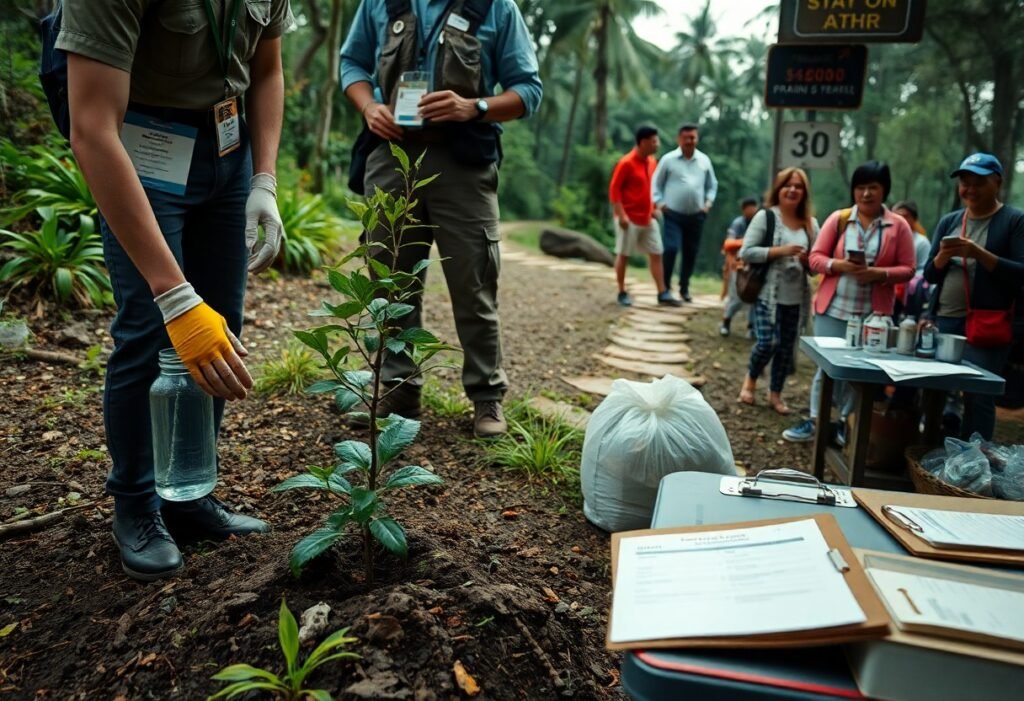
Just be intentional: you must research hosts, match your skills to community needs, and ensure your time supports long-term benefits; avoid short-term fixes or tourism that can cause harm; prioritize local leadership, fair pay, and environmentally sound practices as best practices, and consult resources like The Ethics of Voluntourism: How to Create Real Impact to make your volunteering and travel genuinely responsible.
Key Takeaways:
- Prioritize community-led, sustainable projects that match local needs and skills; avoid short-term placements that displace local jobs.
- Respect culture and environment by learning customs and language basics, following local rules, minimizing waste, and avoiding harmful wildlife interactions.
- Seek transparency and accountability from organizations-verify fund use, outcomes, permits, and a focus on capacity building over volunteer gratification.
Understanding Ethical Volunteering
When evaluating placements you should prioritize long-term, community-driven work that avoids displacing local jobs and supports local leadership; aim for partnerships that plan beyond individual stints, ideally with frameworks spanning 3+ years, clear handover steps, and measurable outcomes so your contribution strengthens systems instead of creating dependency.
Defining Ethical Volunteering
You commit to projects where the community defines goals, your role matches your skills, and local people are hired for paid roles; choose placements that fund local NGOs or cooperatives, avoid unskilled labor that could be done by residents, and insist on transparent budgets and decision-making to ensure community-led benefits.
The Impact of Volunteer Work
You should weigh both benefits and harms: volunteers can boost capacity, fundraising, and knowledge transfer, but examples like post-2010 Haiti orphanage voluntourism and unethical elephant tourism in Southeast Asia show how well-meaning actions can cause unintended harm when local systems and welfare are ignored; prioritize sustained capacity building and local safeguards.
To assess impact effectively you must require baselines, clear indicators (school attendance, vaccination rates, local employment), and routine follow-ups; insist on baseline data and 6-12 months monitoring with local oversight, use local partners for evaluation, and favor programs that publish results so you can verify positive, lasting outcomes rather than short-term visibility.
Key Principles of Responsible Tourism
Center your actions on minimizing harm and maximizing local benefit: reduce waste and carbon footprint, favor community-led projects, and prioritize experiences that keep money in local hands. The UNWTO notes tourism supports roughly 1 in 10 jobs worldwide, so your choices matter economically and environmentally. Choose accommodations and operators with transparent impact reports, avoid single-visit “fixes” that displace livelihoods, and favor initiatives with measurable, long-term community governance.
Respecting Local Cultures
When you interact, follow local norms for dress, behavior, and photography-ask permission before taking photos and defer to community leaders on protocol. Learn basic phrases (even 10-20 words shows respect), follow site-specific rules like removing shoes or covering shoulders, and avoid volunteering in ways that interrupt cultural education or traditional roles. Prioritize cultural exchanges run by locals, such as guided storytelling or artisan demonstrations, rather than spectacle-driven encounters.
Supporting Local Economies
Prioritize spending with locally owned businesses: hire local guides, eat at neighborhood restaurants, and buy crafts directly from artisans or cooperatives. Since tourism funnels substantial income into host communities, your choice to book locally can increase household earnings and preserve skills; pay fair prices and request provenance or production details to ensure purchases benefit makers, not intermediaries.
To operationalize support, aim to keep a clear share of your trip budget local-targeting to spend 50-70% of your accommodation and food budget with local providers when possible. Check certification like community-based tourism networks, compare rates to confirm fair wages, and consider pre-booking through local cooperatives or municipal tourism offices. Direct payments to artisans, transparent tipping aligned with local norms, and choosing small-scale transport providers multiply economic impact and build resilience.
Choosing the Right Volunteer Program
You should prioritize placements that align with community needs, offer clear local leadership, and match the time you can commit-ideally three months or more rather than quick weekend trips. Seek programs with published impact reports, local partner agreements, and roles that build local capacity (teaching, vocational training, infrastructure) instead of replacing paid locals. Avoid opportunities that advertise work you’re unqualified for, and ask for alumni and community references before you pay any fees.
Researching Organizations
Use databases like Charity Navigator or local NGO registries, read recent annual reports, and contact past participants and community partners; if an organization won’t share references or a basic budget, that’s a red flag. Compare program fees, ask what those fees cover, and verify safeguarding policies and staff-to-beneficiary ratios-programs with documented local partnerships and third-party evaluations are usually safer bets.
Assessing Program Transparency
Demand a clear budget breakdown, measurable outcomes, and written agreements with local partners; when an organization publishes audited financials and impact metrics, you can see where funds go and who benefits. Look for a published safeguarding policy, grievance mechanisms, and proof of local governance-absence of these is a strong warning sign.
When you dig deeper, request specific numbers: what percentage of participant fees is routed to local salaries, materials, and community projects versus administrative or international marketing costs, and ask for before/after indicators (school attendance, household income, clinic patient numbers) tied to their work. Red flags include vague outcomes, refusal to share contact details for local partners, or programs that change goals each season without community input. Positive signals are third-party audits, community advisory boards, published KPIs, and examples of sustained local employment after projects end; those details let you judge whether your time and money produce real, lasting benefits rather than short-term visibility.
Preparing for Your Volunteer Experience
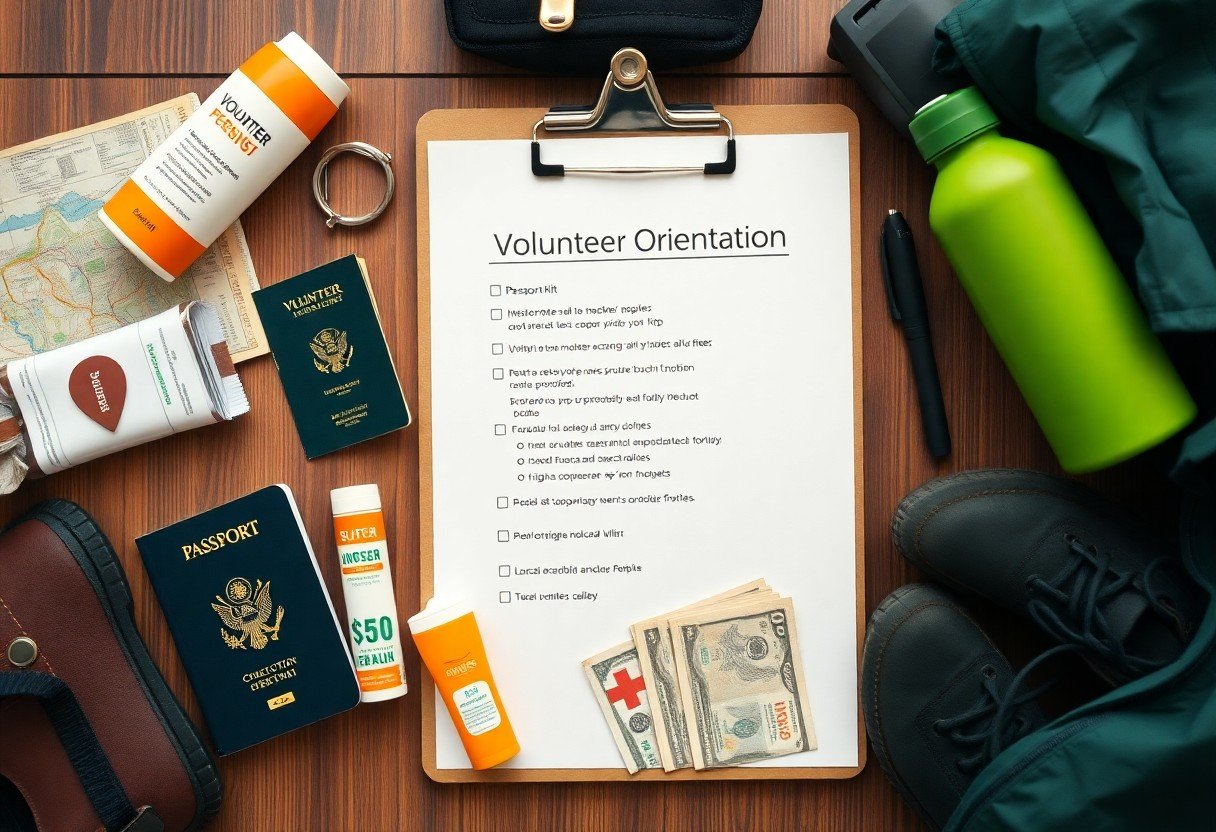
When arranging logistics, prioritize vaccinations, travel insurance, and a vetted host organization first; many programs require police checks and proof of specific skills. You should verify visa requirements, confirm emergency contacts, and pack role-specific gear – for example, steel-toe boots for construction or a laptop for research. Factor in local climate, power availability, and communication limits so your plans match reality and you can adapt quickly on arrival.
Setting Realistic Expectations
Accept that outcomes take time: short-term placements under four weeks often produce limited measurable impact, while commitments of 8-12 weeks or more enable meaningful continuity. You’ll likely perform support roles rather than lead projects, face language barriers, and experience cultural differences that slow progress. Plan for incremental goals, document tasks and handovers, and set metrics with your host so your contribution aligns with local priorities.
Essential Skills and Training
Obtain practical skills that match the project: basic first aid, safeguarding/child protection, and role-specific certificates such as a 120-hour TEFL for teaching or a site-safety briefing for construction. You should also learn key phrases in the local language, cultural norms, and data-collection methods if monitoring is involved. Highlighting first aid and safeguarding reduces risk and increases trust with hosts and communities.
Seek accredited courses: a standard two-day (≈16-hour) first-aid course, a 3-4 hour online safeguarding module used by many NGOs, and a 120-hour TEFL for classroom work are widely accepted. Shadow local staff for 1-2 weeks when possible, carry printed certificates and contact details, and log practical hours; programs that require documented training show higher retention and measurable outcomes in independent evaluations.
Engaging with the Community
When engaging with a community you should prioritize local leadership and ongoing presence; many effective projects require volunteers to commit longer than four weeks to build trust. Attend village meetings, learn basic language phrases, and coordinate with local NGOs so your efforts support existing priorities. Avoid single-event interventions that create dependency; instead align with community timelines and funding cycles to prevent power imbalances and unintended harm.
Building Relationships
You should start by asking about community goals, offering specific skills (e.g., basic healthcare training, water engineering), and co-designing activities with local leaders. Use clear agreements on roles, timelines, and budgets; for example, require written consent for photos and schedule feedback meetings every 4-6 weeks. Hire local staff and pay fair rates so economic benefits remain in the community and reduce dependency.
Listening and Learning
During the first phase you should spend time collecting perspectives: conduct a needs assessment, hold household interviews, and practice active listening without proposing solutions. Use methods like Participatory Rural Appraisal (PRA) or focus groups, bring translators when needed, and document priorities so you base action on community-identified needs. Failing to listen risks doing harm through misaligned projects.
You should devote at least 2-4 weeks to observation and baseline data: survey a representative sample (aim for 30+ households where feasible), map existing resources, and record seasonal patterns affecting livelihoods. Share findings with participants in plain language and hold a 1-hour validation meeting to adjust plans based on feedback; this step protects local autonomy and prevents months of wasted effort.
Sustainable Practices for Volunteers
You should model low-impact behavior by choosing projects that report measurable outcomes, staying longer to reduce per-day travel emissions (tourism makes ~8% of global emissions), and prioritizing local hiring and supply chains; projects that track hectares restored, nests protected, or community income increases deliver real benefits, while short-term fixes often produce more harm than good.
Minimizing Environmental Impact
You can cut waste and footprints with simple actions: carry a refillable bottle and reusable bag, use reef-safe sunscreen, favor public transit or biking, pack light to lower flight emissions, and stay on marked trails to prevent erosion; avoid buying coral, shells, or animal souvenirs because those purchases drive illegal extraction and habitat loss.
Advocating for Conservation
You should support conservation by joining vetted citizen-science and monitoring programs (eBird, iNaturalist, or university-led surveys), volunteering with trained teams for habitat restoration, and funding locally governed initiatives such as community forestry schemes; prioritize programs that hire locals and publish outcomes rather than those offering photo ops with wildlife.
You can deepen impact by demanding transparency: ask partners for monitoring protocols, annual reports, and concrete metrics (hectares reforested, nests monitored, income changes). Choose programs with government or academic partnerships, verify local employment numbers, and refuse activities that allow touching, feeding, or staging animals-those are often the most harmful practices.
Final Words
With these considerations you can choose projects that respect local needs, minimize harm, and maximize impact; verify organizations, support community-led initiatives, respect culture and environment, and reflect on your motives. Use resources like 7 Tips for Ethical Volunteering & Responsible … to deepen your understanding, plan responsibly, and ensure your efforts leave positive, sustainable benefits for the people and places you visit.
