
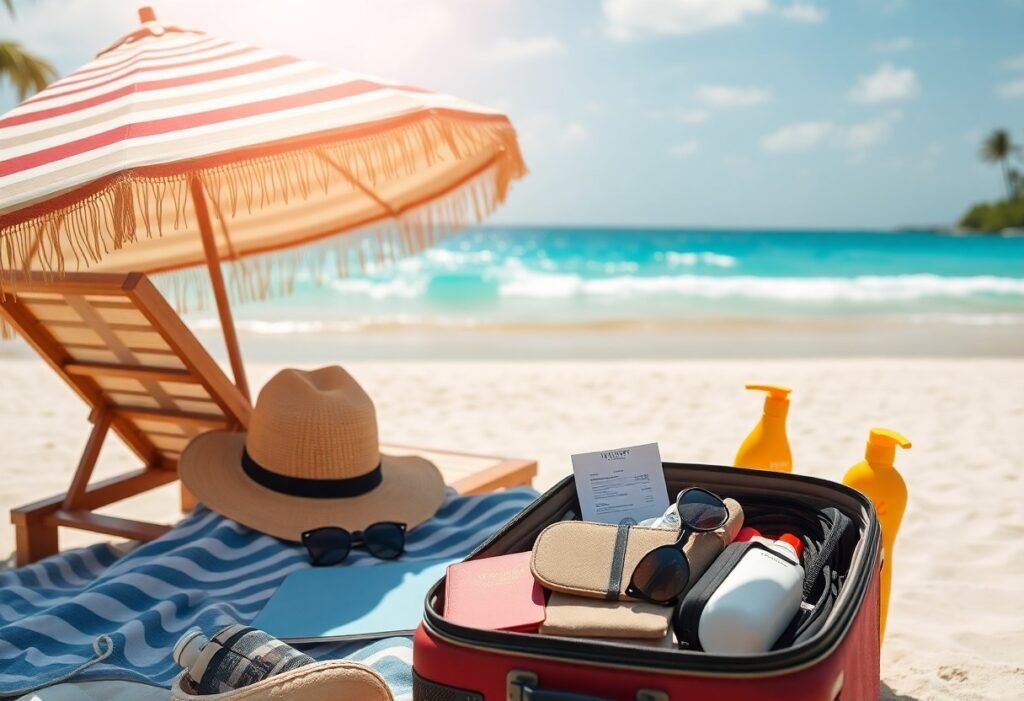
You can achieve effortless beach relaxation by planning smartly: prioritize sun protection, hydration, and checking local water safety for rip currents, pack versatile vitals and a lightweight itinerary, and set boundaries to unplug from work; use simple techniques like deep breathing, slow walks, and scheduled naps to maintain calm, and adopt backup plans for weather or transport so you avoid stress and maximize your enjoyment.
Key Takeaways:
- Plan logistics and timing ahead – book transfers, allow buffers for delays, and choose quieter hours or beaches to avoid crowds and stress.
- Pack a compact comfort kit – sun protection, quick-dry towel, shade (umbrella or pop-up), water bottle, and a portable charger to stay comfortable and prepared.
- Set a simple relaxation routine – hydrate, limit screen time, switch to low-effort activities (reading, gentle walks, naps), and set boundaries for social or work interruptions.
Planning Your Beach Escape
Prioritize logistics: pick a destination within a 4-6 hour travel window if you want minimal transit stress, choose direct flights when possible, and book lodging 6-8 weeks in advance domestically or 2-4 months for international trips to lock better rates. Factor in airport transfers, local medical access, and whether you need gear rentals. If surf, snorkeling, or calm swimming matters, confirm seasonal conditions and rip current risks before finalizing plans.
Choosing the Right Destination
Match the beach vibe to your goals: pick Kauai or the Outer Banks for quiet dunes and gentle surf, Cancun or Ibiza for nightlife, and the Amalfi Coast for dramatic cliffs and luxe dining. Check average sea temperatures-Caribbean waters are typically 25-29°C (77-84°F)-and consult crowd calendars; towns with limited hotel capacity often fill fast, so choose a smaller resort if you want fewer people and calmer beaches.
Timing Your Trip for Optimal Relaxation
Target shoulder seasons for fewer crowds and lower prices: May-June and September-October in the Mediterranean, late April-May or October in many Caribbean spots, but avoid peak hurricane months of June 1-November 30 where risk rises. Skip major holiday weeks like July 4 or Labor Day if you want quiet, and aim for morning beach sessions when winds are calmer and fewer visitors are on shore.
Pay attention to local patterns: tides and daily wind shifts can change beach conditions-mornings often offer calmer water and softer sand, while afternoons bring stronger onshore breezes. Shifting your stay by one or two weeks can cut accommodation costs by an estimated 15-30% and halve crowd density at popular spots; check surf forecasts, tide charts, and seasonal rainfall averages to pick the most relaxing window for your specific beach.
Packing Essentials for Stress-Free Travel
Pack a lightweight carry-on with staged necessarys: a spare outfit, travel documents, chargers, and a small first-aid kit; consult family-focused strategies at 10 Travel Tips For A Stress-Free Family Beach Vacation. Use packing cubes and roll garments to save space, and keep important documents and a portable charger within easy reach. After you confirm flight times, place your carry-on by the door.
- Travel documents
- Portable charger
- Packing cubes
- First-aid kit
Must-Have Beach Gear
You’ll want a broad-spectrum sunscreen (SPF 30+), a wide-brim hat, a UV umbrella, quick-dry microfiber towel, and a sturdy reusable water bottle-opt for reef-safe formulas and a towel that dries in under 30 minutes. After you pack these, add a compact snorkel or foldable beach chair if space allows.
- Sunscreen
- Hat
- Microfiber towel
- Water bottle
Travel Tips for a Smooth Journey
Check in online 24-48 hours ahead, screenshot confirmations, and download offline maps and a boarding pass to avoid connectivity gaps; if you travel with kids, label bags and pack familiar snacks. After you secure seats and documents, slip a small daypack with necessarys under the seat.
- Online check-in
- Offline maps
- Snacks
- Daypack
Arrive at least 90 minutes before domestic flights and two hours for international departures to handle lines and unexpected delays; use apps like FlightAware for real-time gate changes, set two alarms synced to airline time, and carry a 10,000 mAh power bank to keep devices charged through long transfers. After you verify visa or vaccination requirements, store copies of confirmations in both cloud and paper form.
- Arrival time
- Flight tracking apps
- Power bank
- Document copies
Creating the Perfect Beach Setup
Setting Up Your Spot
Pick a spot 15-20 feet above the high-tide line to avoid surprises and lay a 6×6 ft blanket where sand is firm; soft sand sinks anchors. Face your umbrella slightly upwind and anchor it with a screw sand anchor or two sandbags of 2-5 kg to prevent collapse. Place chairs 2-3 feet apart for airflow and situate within 100 yards of restrooms if you prioritize convenience.
Maximizing Comfort and Enjoyment
Choose a low-profile chair that reclines 120-160° and add a memory-foam travel pillow for naps and lumbar support. Bring a 6×6 ft pop-up shade, keep drinks in a cooler at under 5°C, play music under 80 dB to respect others, and avoid glass bottles-broken glass is dangerous. Apply sunscreen SPF 30+ every two hours, especially after swimming.
Angle your umbrella about 30° toward the sun to block afternoon rays and double-stake it when winds exceed 10 mph. Pack a microfiber towel (dries in under 30 minutes), a 20,000 mAh power bank to recharge phones 4-5 times, and a 10L dry bag for valuables. Use reef-safe SPF 30+ and reapply after water exposure; sunburn can begin in as little as 15 minutes at peak sun.
Activities for Ultimate Relaxation
You can blend low-key movement with focused rest to deepen relaxation: try a 10-20 minute shoreline walk, a brief 5-10 minute breathwork set, or a slow 20-30 minute swim to lower tension. Mix in quiet reading or sketching between sessions to sustain calm, and schedule active bits during cooler hours. Pay attention to sun exposure (use SPF 30+ every two hours) and rip current warnings so your relaxation stays safe and restorative.
Mindful Beach Practices
Practice 4-7-8 breathing for 2-4 minutes to slow your heart rate, then do a 10-15 minute walking meditation along the waterline focusing on footsteps and sound. Ground yourself by standing barefoot for 5-10 minutes to feel the sand and sea temperature changes, and try a short progressive muscle relaxation sequence (5-8 minutes) to release neck and shoulder tension. These tactics help you drop cortisol and sharpen present-moment awareness quickly.
Engaging in Leisure Activities
Choose low-impact, absorbing activities: a 20-30 minute easy swim, 30-60 minutes of stand-up paddleboarding to engage core stability, or 20-40 minutes of snorkeling to anchor attention in the moment. Alternately, read a novel or play light beach games with friends to boost mood through social connection. Watch for dangerous currents and always swim near lifeguards; short, focused sessions prevent fatigue and maximize enjoyment.
Structure your day with alternating blocks-for example, a 20-minute swim, 15-minute guided beach yoga, then a 30-45 minute paddleboard session followed by 30 minutes of shaded reading. Stay hydrated (aim for 250-500 ml per hour in heat), reapply sunscreen every two hours, and check flag systems (green=calm, yellow=caution, red=no swimming) before entering the water to keep activities restorative and safe.
Staying Healthy and Safe at the Beach
Sun Safety Tips
Apply broad‑spectrum sunscreen SPF 30+ at least 15 minutes before exposure and reapply every 2 hours or after swimming; wear a UPF shirt, a wide‑brim hat, and UV400 sunglasses, and seek shade during peak sun from 10:00-16:00. Watch the UV index-values above 6 mean high risk-and treat even short exposures seriously if you burn easily. Knowing how to read the UV index and adjust exposure reduces your risk of sunburn and heat‑related illness.
- Sunscreen SPF 30+: reapply every 2 hours and after water exposure
- Shade & Timing: avoid direct sun 10:00-16:00 when UV peaks
- Protective Clothing: UPF 50+ shirts, wide‑brim hats, and UV sunglasses
- Watch for Heat: check children and elders frequently and take cool breaks
Staying Hydrated and Energized
Sip water steadily-about 200-300 ml every 15-20 minutes during activity-and aim for at least 2-3 L total daily when lounging on the sand. Include an electrolyte beverage with 300-700 mg/L sodium for long sessions or heavy sweating, and favor snacks like bananas or trail mix for quick glucose and potassium. Avoid alcohol and high‑caffeine drinks that increase fluid loss and impair recovery.
You can pre‑hydrate with ~500 ml of fluid 2 hours before beach activity and weigh yourself before and after intense exercise-each 1 kg lost equals roughly 1 L to replace. Monitor your urine color (pale straw = well‑hydrated); dark amber signals dehydration. If you sweat heavily, choose a sports drink with 4-8% carbs and 300-700 mg/L sodium to maintain performance; coconut water helps for mild losses but often lacks enough sodium. Watch for signs of heat exhaustion-dizziness, nausea, excessive fatigue-and cool down immediately to avoid heatstroke.
Disconnecting to Reconnect
You can create meaningful space by scheduling tech-free blocks-try 2-4 hour stretches or a full morning; a Stanford study found a 90-minute nature walk reduced brain activity tied to rumination. Switch to airplane mode, store your phone in a beach bag or locker, and use an old-fashioned watch for time. Less screen time lowers stress and boosts presence, keeping you attentive to tides and companions.
Limiting Digital Distractions
You should set strict limits: check messages only 3 times daily (morning, early afternoon, evening) and use Screen Time or Digital Wellbeing to cap social apps at 30-60 minutes. Turn off noncrucial notifications and place your phone face-down in a waterproof pouch. For photos, take a quick series-five shots max-then stow the device so the view stays with you, not your feed.
Embracing the Natural Environment
You can tap into nature’s reset with a simple senses practice: list 5 sounds, 4 sights, 3 textures, 2 scents, 1 breath, then sit quietly for 10-20 minutes watching waves or the horizon; studies link 20-120 minutes per week in nature to improved well‑being. Bring a lightweight blanket, close your eyes, and let the sea air center you-the environment itself reduces stress.
For deeper gains, aim for 120 minutes per week across beach visits and nearby parks, mixing low-effort activities like barefoot walks, shallow snorkeling, or guided breathwork. Check tide charts and swim near lifeguards because strong rip currents and intense sun exposure pose real risks; wear SPF 30+, a hat, and drink water. End each visit with a 5-minute grounding routine to compound stress reduction over time.
To wrap up
With these considerations you can streamline packing, prioritize downtime, safeguard your belongings, and plan simple routes so your beach time is restorative; consult the Millennial Guide to Stress-Free Beach Travel Planning for practical checklists and timing tips to make your trips reliably calm.
