
Tourism and volunteering abroad intersect in ways that demand you apply rigorous ethical standards so your efforts produce lasting community benefits rather than unintended harm; you must evaluate programs for local leadership, sustainability and transparency, avoid projects that foster dependency, and prioritize skills, cultural respect and measurable outcomes to ensure your work supports genuine responsible tourism.
Key Takeaways:
- Volunteering supports responsible tourism when projects are locally led, address community-defined needs, and focus on capacity building rather than imposing outside solutions.
- Ethical programs reduce environmental impact and respect cultural heritage by following local rules, practicing low-impact travel, and prioritizing locally owned businesses.
- Long-term positive outcomes depend on transparency, measurable impact, proper skill matching, and avoiding short-term placements that create dependency or displace local workers.
Understanding Volunteering Abroad
Definition and Purpose
Volunteering abroad places you alongside local NGOs, community groups and public institutions to address needs in education, health, conservation and infrastructure; programs range from short-term stays to multi-year commitments. You contribute skills while learning local practices, and organizations like the Peace Corps (which has sent over 240,000 volunteers since 1961) illustrate long-term capacity-building models that prioritize community-led planning.
Benefits of Volunteering
By volunteering you gain practical experience, language fluency and professional skills-often faster than classroom learning. Short placements (2-12 weeks) can boost cultural awareness, but longer commitments (6+ months) typically deliver deeper impact and measurable outcomes. You also build networks with local leaders and NGOs; examples include Engineers Without Borders projects that pair volunteers with host communities to co-design infrastructure solutions.
You should prioritize programs that emphasize local leadership, transparent impact reporting, and skills transfer. Professional gains often include project management, cross-cultural communication and technical certifications; alumni from long-term programs report improved employability in international development fields. Avoid placements where untrained volunteers perform sensitive tasks-medical or legal work can cause harm if done without credentials.
The Concept of Responsible Tourism
Responsible tourism balances benefit and limits: tourism now represents about 10% of global GDP and jobs, so your decisions ripple widely. When you volunteer, prioritize projects that demonstrate baseline data, align with local development plans, and explicitly avoid creating volunteer-generated dependency. For example, support community-run schools in Peru that follow local curricula or reforestation tied to municipal land-use plans. Certification from bodies like the GSTC helps you spot verified operators.
Principles of Responsible Tourism
Follow practical principles: insist on local leadership, fair pay, transparent revenue flows, and ecological limits. Choose programs that hire local guides, source food and materials locally, and limit group sizes (often under 15) at sensitive sites to reduce pressure. Favor operators publishing measurable outcomes and involving community boards in governance. These steps cut economic leakage and make sure your time and funds support lasting capacity rather than short-term fixes.
Impact on Local Communities
Tourism can boost incomes and fund services but also cause inflation, land pressure, or cultural commodification; you influence which occurs. Demand figures like jobs created and percent of revenue retained locally-tourism accounts for roughly 10% of global employment. Watch for signs of harm such as rising rents or reliance on transient volunteers, and support models that protect livelihoods while conserving resources; Costa Rica’s protected areas (about 25% of territory) show how conservation and income can align.
Probe impact with specific metrics before committing: request baseline and annual reports showing number of local jobs created, percentage of project budget spent locally, changes in school attendance, and environmental indicators (water quality, reef coral cover). When you require and review these data, you lower the risk of funding harmful projects. Community-run initiatives that publish such metrics generally deliver stronger, longer-lasting benefits and lower rates of resource depletion.
The Synergy Between Volunteering and Responsible Tourism
When you align volunteer projects with community-led tourism, you create a feedback loop where local priorities guide visitor activities and volunteers provide targeted support. Short-term stays (typically 7-14 days) work best when nested inside multi-year plans or recurring volunteer rotations, and you should consult resources like Voluntourism: The Good, the Bad, and How to Do Better to spot pitfalls and scale effective practices.
Cultural Exchange and Learning
You deepen mutual understanding when your program emphasizes sustained interaction: host-family stays, language tandems, and co-designed workshops. Programs where volunteers commit to 2+ weeks or return seasonally tend to produce measurable skill transfer and local entrepreneurship, while one-off visits often generate only surface-level engagement.
Environmental Sustainability
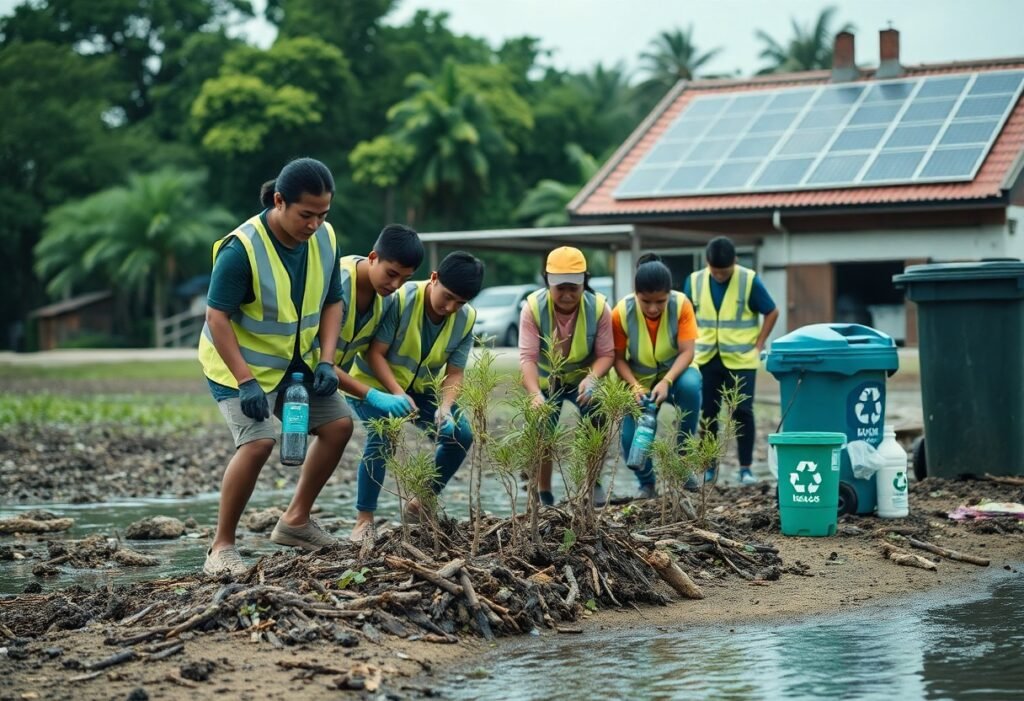
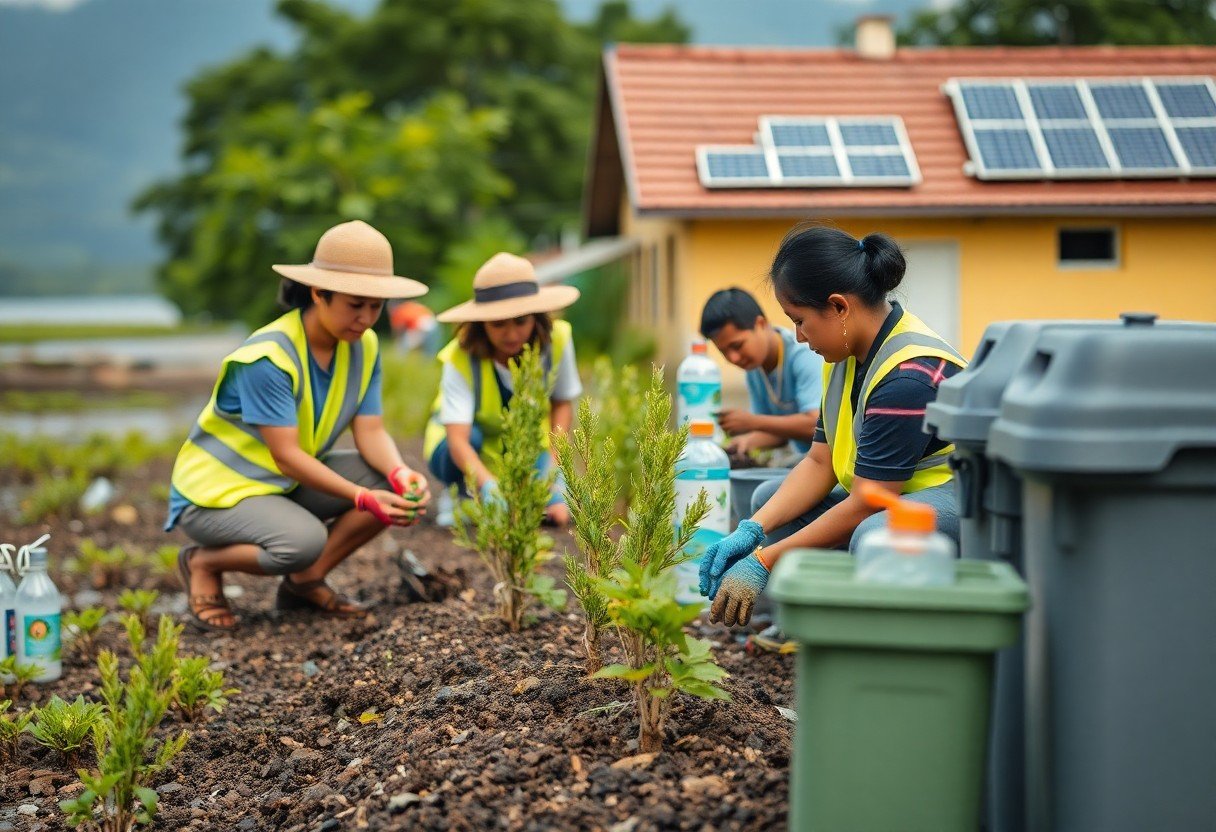
You protect ecosystems by integrating volunteers into evidence-based conservation work-think habitat restoration, waste audits, and low-impact trail maintenance. Projects that set clear limits on group size and require pre-trip environmental training avoid the most damaging outcomes of unmanaged tourism.
To expand impact, you should demand baseline metrics (water use, waste generation, reforestation counts) and use them to adapt activities: for example, staging shifts so volunteers contribute 100+ hours across a season rather than one intense weekend, sourcing local materials to cut transport emissions, and partnering with local NGOs for ongoing monitoring. Those steps turn short-term labor into durable ecological gains.
Challenges Faced by Volunteers
Despite best intentions, you face logistical, cultural and ethical pitfalls: short-term placements (2-12 weeks) often create dependency, language gaps impede outcomes, and unauthorized medical work can be illegal and dangerous. Consult resources like The Ethics of Voluntourism: How to Create Real … to align practice with community needs and avoid harm while maximizing positive impact.
Ethical Considerations
You must prioritize local leadership, informed consent and sustainable goals: fundraisers, volunteer tasks and timelines should reflect community-defined priorities, not donor convenience. For example, replacing local paid roles with volunteers reduces income; opt instead for capacity-building training, measurable outcomes (school attendance, loan repayment rates) and transparent reporting to ensure benefits endure after you leave.
Risk Management
You should treat safety as program design: medical risks, legal exposure and security incidents are real-emergency evacuations can cost >$10,000 for a group-so require comprehensive insurance, background checks and pre-departure training. Build local emergency contacts and clear role descriptions to limit liability and protect communities.
Operationally, implement a four-part risk protocol: (1) screening-verify skills, vaccinations and criminal background; (2) briefing-give cultural, legal and environmental orientation that includes site maps and evacuation routes; (3) insurance & contingencies-mandate policies covering medical care, repatriation and civil unrest with a designated fund for rapid response; (4) monitoring-daily check-ins, incident logs and quarterly reviews with local partners. Programs that ran these steps reduced incident response time by weeks and kept program continuity intact after natural events; you should require the same standards before committing.
How to Choose the Right Volunteer Program
When you vet options, prioritize programs that publish independent impact data, share budgets, and partner with local organisations; avoid ones that emphasize photos over outcomes. Check practical details like length of stay (short stints under two weeks often yield limited benefit), background checks for vulnerable-work placements, and whether locals lead the projects. For deeper guidance on common pitfalls and best practices see Volunteer Travel: The Pitfalls, the Potential, and How to Get …
Researching Organizations
Start by reviewing an organisation’s annual reports, monitoring and evaluation summaries, and local partner lists; you should ask to see specific outcomes (e.g., number of beneficiaries trained, schools supported, or hectares restored). Search independent reviews and contact at least two past volunteers to verify on-the-ground reality. If an operator cannot produce governance documentation, audited accounts, or clear local leadership, treat that as a red flag that the program may prioritise volunteers over community needs.
Aligning Values and Goals
Define what you want to achieve-skills transfer, research support, conservation, or cultural exchange-and select programs where your role matches local priorities and your competencies; for instance, if you lack teaching certification, avoid claiming educational impact. Seek placements that specify measurable objectives and require collaborations with local staff, which often leads to lasting positive outcomes rather than short-term fixes.
Dig deeper by comparing project timelines and accountability: programmes with 6-12 month volunteer cycles, local governance boards, and public impact metrics generally produce more sustainable results than ad hoc short projects. Verify whether locals set project goals, how success is measured (attendance, test scores, biodiversity indicators), and whether costs support community salaries rather than marketing. If wildlife or child-focused work is involved, ensure permits, veterinary oversight, or child-protection policies are documented-those elements separate ethical projects from harmful ones.
Case Studies of Successful Volunteer Programs
You will find concrete examples where volunteering abroad directly advanced responsible tourism: coastal habitat projects that boosted local fish stocks, schooling initiatives raising literacy rates, mobile clinics expanding primary care, and village homestay networks increasing community revenue. Each case below shows measurable outputs, financial transparency, and local leadership, so you can assess how community-led design and capacity building produced sustained benefits rather than short-term visibility.
- 1) Philippines reef & mangrove restoration: 2,400 mangroves planted; monitored coral cover rose ~28% over 3 years; 120 local fishers trained; average household fishing income up 18%.
- 2) Peru rural education program: 45 international volunteers partnered with 12 schools; student literacy climbed from 56% to 73% in 24 months; 85% of program funds allocated to local teacher salaries and materials (budget transparency).
- 3) Kenya mobile health outreach: 24,500 patients served in 18 months; childhood vaccination coverage increased by 15 percentage points; 60 local health workers certified to continue services (sustainable capacity).
- 4) Nepal community homestay network: 8 villages, 3,200 tourist-nights in year one; community revenue $78,000 with 65% reinvested in water and sanitation projects; local governance committee oversees allocations.
- 5) Costa Rica agroforestry internship: 30 volunteers helped establish 50 hectares of mixed agroforestry; soil erosion reduced by an estimated 40%; participating farms reported yield stability and diversified income streams.
Impact Stories
You hear from locals who say the most lasting change came when volunteer projects transferred skills: a Kenyan nurse who trained 60 peers, a Peruvian teacher adapting a volunteer-designed curriculum, and Philippine fishing cooperatives using restored reefs to sustainably increase catches. Those stories include numbers you can verify – patient counts, literacy rates, income changes – and they show how your participation can shift outcomes from temporary aid to measurable, local-led progress.
Lessons Learned
You learn quickly that transparency and local leadership determine success: programs that publish budgets and outcomes achieved better long-term results, while short-term placements without handover created dependency. Prioritize projects with clear KPIs, at least 12 months of local staff continuity, and monitoring plans that report metrics like income change, enrollment, or ecological indicators.
More detailed lessons show patterns: align volunteer timelines with local agricultural or school calendars to avoid disruption; budget >60% of spending for local wages and materials to maximize economic benefit; embed training-of-trainers so skills remain after volunteers leave; and require third-party audits or impact reports to validate claims before you commit your time and funds.
Summing up
Ultimately, you can align volunteering abroad with responsible tourism by prioritizing host-community needs, supporting local leadership and economies, minimizing environmental impact, and choosing transparent programs that measure outcomes; when you act with humility and accountability you help build sustainable benefits rather than short-term fixes, ensuring your presence strengthens cultural respect, community capacity, and long-term destination wellbeing.
